A large-scale wire and cable group integrating manufacturing, sales, design, and R&D.
INQUIRY NOWMay 19, 2026
Cables Are More Vulnerable to Water Ingress Than Aging
For cable systems, the real threat is often not natural aging, but water ingress.
Many cable failures do not happen suddenly. Instead, they result from long-term moisture exposure. Groundwater, seasonal condensation, and industrial humidity can gradually penetrate into cables through joints, terminations, or damaged sheaths. By the time insulation resistance drops, circuit tripping occurs, or insulation breakdown happens, the outage and repair costs are already significant.
Compared with normal aging, water ingress is more dangerous because it is hidden and irreversible. Moisture slowly migrates along conductor gaps through capillary action and pressure differences, eventually leading to water treeing and electrical treeing, which continuously degrade insulation performance and significantly shorten cable lifespan.
Three Major Risks of Water Ingress in Cables
1. Water Treeing Leading to Insulation Breakdown
Under an electric field, moisture inside the cable forms microscopic structures known as water trees. These consist of water-filled voids ranging from 0.1 microns to several microns, which gradually damage the insulation structure.
Normally, water treeing may develop over several years or even more than eight years. However, in high temperature, high humidity, or high-voltage environments, the aging process accelerates significantly, eventually leading to insulation breakdown.
2. Increased Risk of Metal Corrosion
Once moisture enters the cable, it can corrode metallic components such as steel tape armor, copper shielding, and conductors. This reduces insulation performance and structural integrity, and in severe cases may cause short circuits, equipment failure, or safety incidents.
3. Degradation of Electrical Performance
Moisture increases dielectric loss and negatively affects impedance stability, signal attenuation, and return loss.
For high-speed data cables, communication cables, and industrial control systems, water ingress can significantly degrade signal transmission quality and system stability.
Industry experience shows that many high maintenance costs stem from insufficient attention to waterproof design at the early stage.
How to Reduce the Risk of Water Ingress
To improve long-term reliability of cable systems, the industry generally recommends the following measures:
Use high-quality water-blocking materials
Select reliable cable joints and termination systems
Improve installation and sealing standards
Avoid sheath damage during transportation and installation
Perform regular insulation and moisture testing
Strengthen preventive maintenance in underground and high-humidity environments
Conclusion
With the rapid development of power systems, renewable energy, telecommunications, industrial automation, and underground infrastructure, cable waterproofing technology is becoming increasingly important.
In many cases, what truly determines cable lifespan is not operating time, but small amounts of moisture that are often ignored over long periods.
For cable systems, waterproofing is not just a protective measure—it is the foundation of safety, stability, and long-term performance.
Looking for the best connection for your next solar project?
Official Website: www.sxcables.co

Latest Social Commitment

SXCables Hosts Suriname Partners: Powering Infrastructure
April 15, 2026

Grid-robots-zero-risk-cable-maintenance
March 24, 2026

PV Photovoltaic Cables vs. USE-2 Cables: Selection Guide
March 13, 2026

5 Critical Mistakes to Avoid When Installing Medium Voltage Cables
February 26, 2026

ACCC Conductor (Aluminum Conductor Composite Core)
February 05, 2026


Top 10 Overhead Line Companies in China
January 28, 2026

Top 10 Low-Voltage Power Cable Companies in China
January 14, 2026

Your Reliable Partner for High-Quality Cable Manufacturing
December 25, 2025
Hot Products
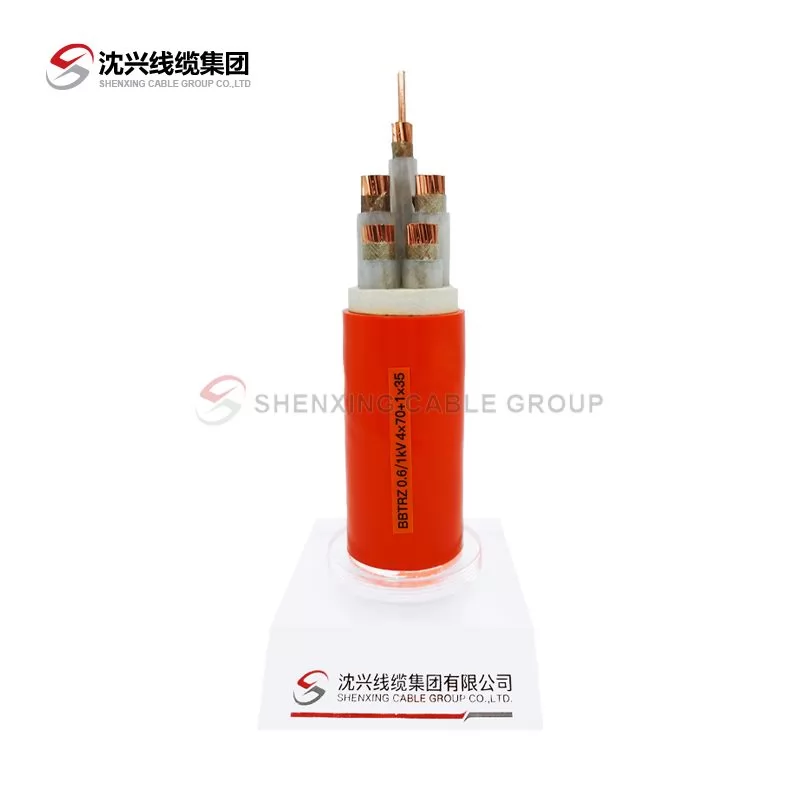
Copper Cores, XLPE Insulated, PVC Sheathed, Control Cable
Shenxing KYJV cross-linked power control cable is an advanced integrated intelligent high-voltage cable designed for real-time monitoring of cable operating parameters.
Read More
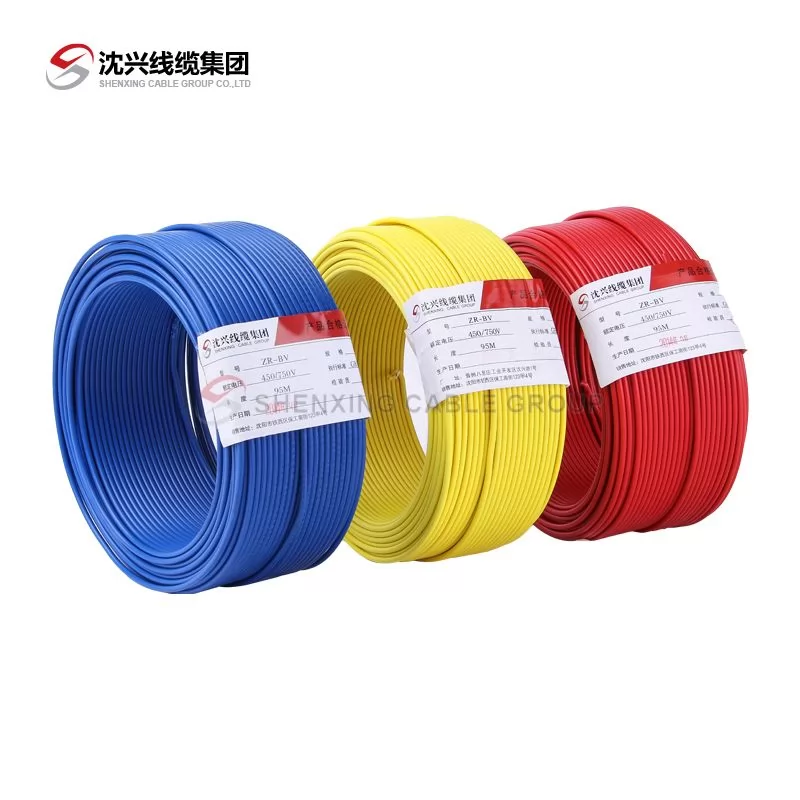
Copper Core PVC Insulated Wire
A global BV cable supplier offers a full variety of building cable from our stock and tailored XLPE cables as well.
Read More
Copper Core PVC Insulated PVC Sheathed Power Cable
BVV/BVVB cable is a high-quality power transmission cable widely used in residential, commercial and industrial environments.
Read More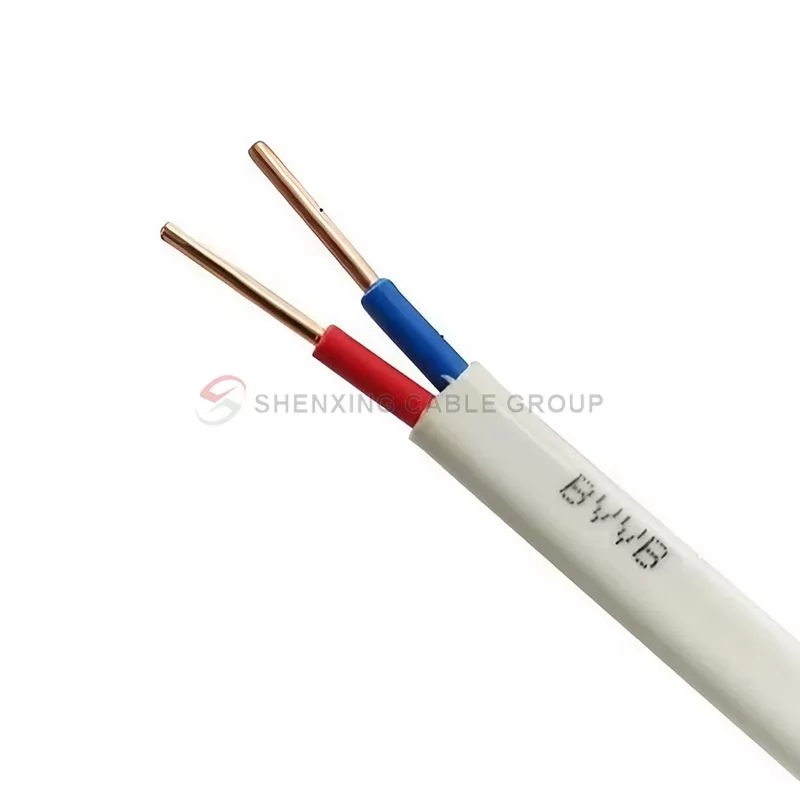
RVB-Copper Core Flat Sheathless Flexible Cable
Welcome to learn about Shenxing Cable Group's RVV/RVB cable (also known as flexible cable), which is a high-performance cable designed for a variety of low-voltage electrical applications. The cable consists of multiple copper conductors and a PVC outer sheath and is widely used in low-voltage electrical systems.
Read More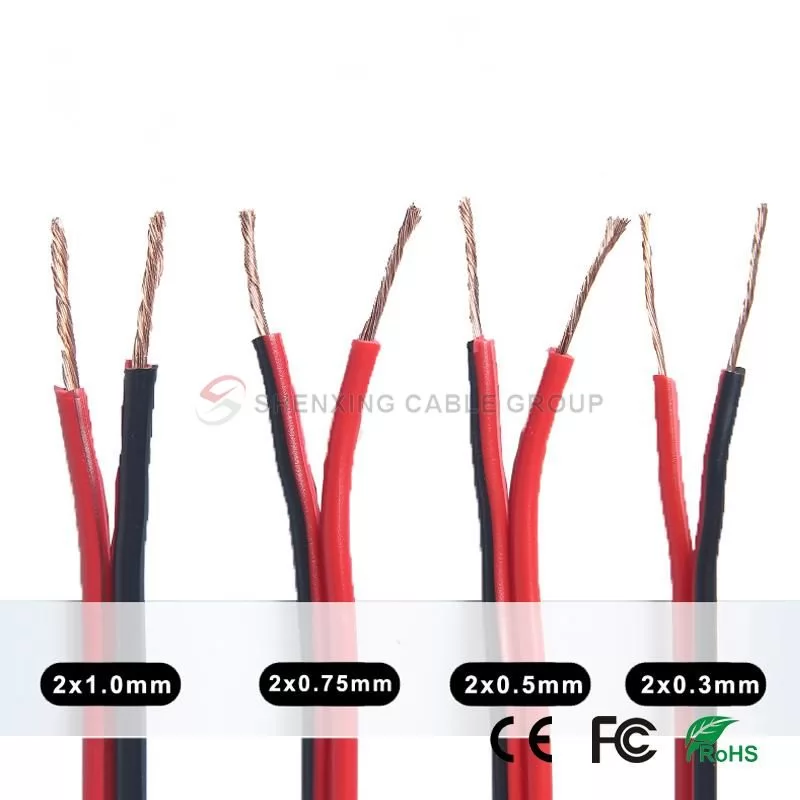
Copper Core PVC Insulated Connecting Soft Wire and Cable
Welcome to learn about RV cables from Shenxing Cable Group. This high-quality cable is designed for low-voltage electrical applications. By using high-quality materials and exquisite manufacturing technology, RV cables ensure that you enjoy reliable power supply and efficient power transmission in multiple fields, providing you with ideal solutions.
Read More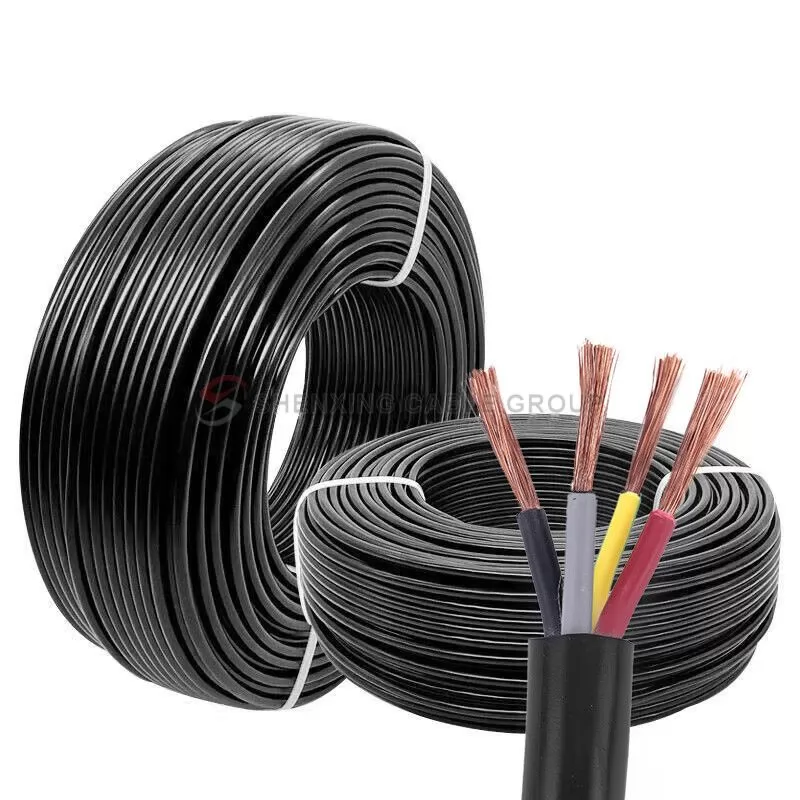
RVV cable is suitable for a variety of application scenarios, including home power wiring, industrial equipment connections, office electrical systems, etc. Whether it is used for power transmission, electrical equipment connection, or use in harsh environments, RVV cables can provide stable, efficient, and safe power support.
Read More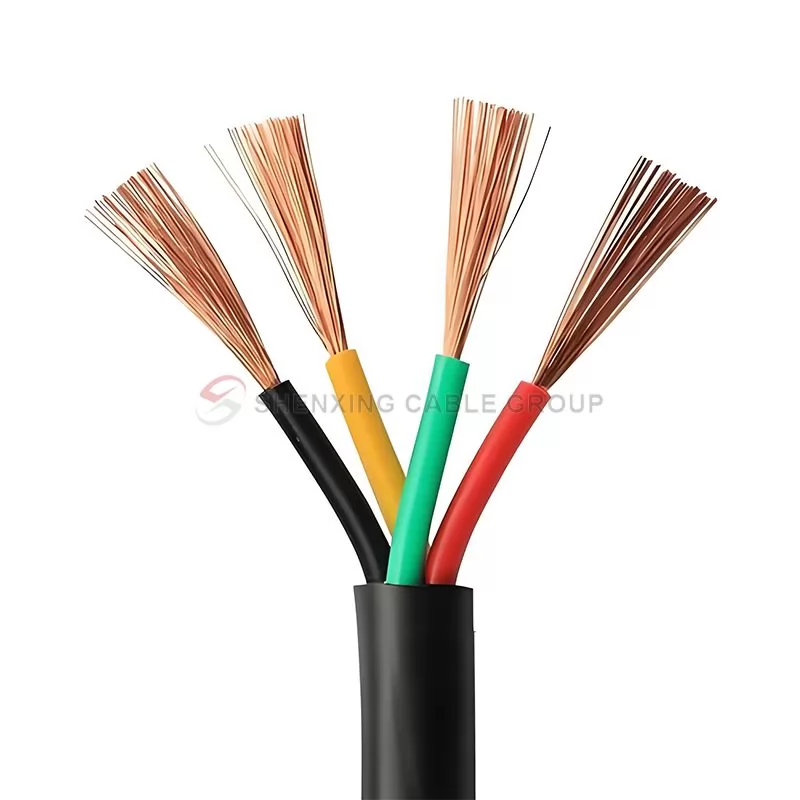
Copper Conductor, PVC Insulated and Sheathed, Steel-tape Armoured Control Cable
RVS twisted pair flexible cable provided by Shenxing Cable Group is a 300/500V voltage level cable consisting of two insulated conductors twisted around each other. We produce many types of twisted pair cables in strict accordance with the Chinese national standard GB/T 8734.3. RVS twisted pair shielded cable consists of two independent insulated copper conductors that are twisted around each other and arranged in parallel.
Read More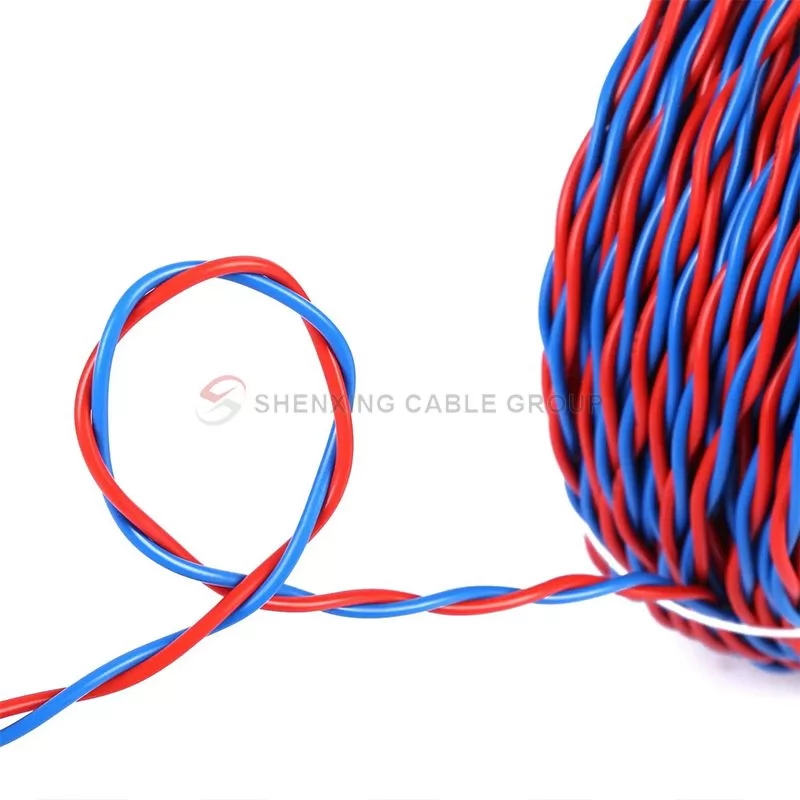
TÜV Solar PV Cable TÜV-H1Z2Z2-K
The SHENXING solar PV H1Z2Z2-K cable, which is TÜV certified according to EN 50618 and AENOR, is suitable for both fixed and mobile solar installations (solar farms, rooftop solar installations and floating plants). It is a highly flexible cable compatible with all major connectors and specially designed for the connection of photovoltaic panels. This versatile single-conductor cable is designed to meet the varying needs of the solar industry. Suitable for wet, damp and humid locations.
Read More
Shenxing Photovoltaic Cable PV1-F is a high-performance cable designed for solar photovoltaic systems. It has excellent high temperature resistance, extrusion resistance, environmental cracking resistance and other characteristics, ensuring the long-term stable operation of photovoltaic power generation systems. As a leading global photovoltaic cable manufacturer and supplier, Shenxing Cable is committed to providing high-quality cable solutions to meet the needs of various photovoltaic installa
Read More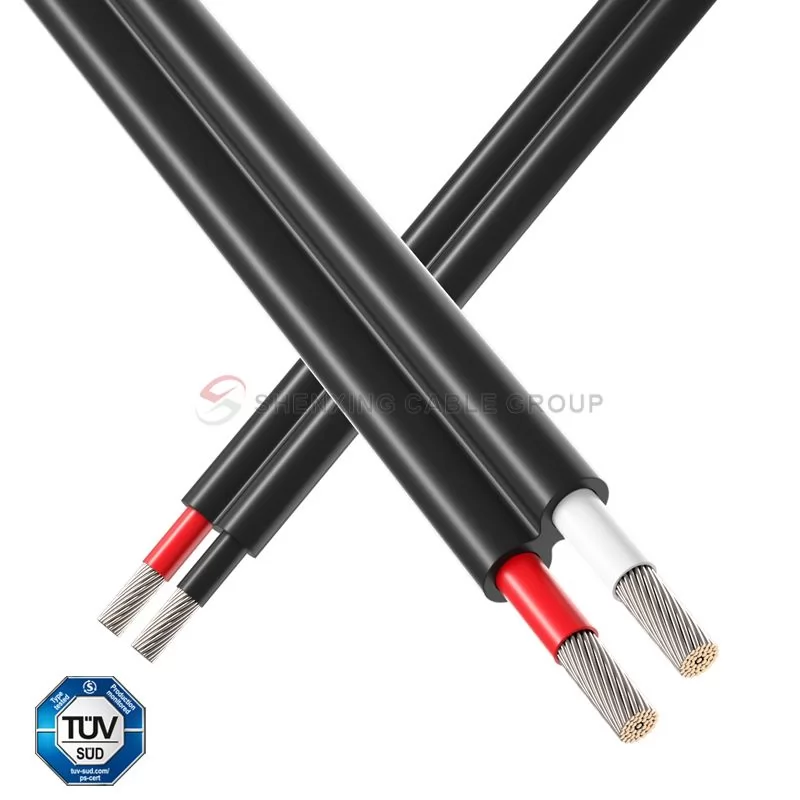
110kv Copper Core XLPE Insulated Corrugated Aluminum Sheathed Power Cable
YJLW high voltage cross-linked polyethylene cable is a high-quality cable product for high voltage power transmission. It adopts high-quality copper core, aluminum core and cross-linked polyethylene insulation materials to ensure the high efficiency and reliability of power transmission.
Read More