A large-scale wire and cable group integrating manufacturing, sales, design, and R&D.
INQUIRY NOWNovember 28, 2025
High-voltage submarine power cables are essential infrastructure in modern energy systems, enabling the transmission of electricity across vast seas and oceans. These cables connect offshore renewable energy projects to onshore grids, link islands to mainland networks, and facilitate cross-border power trading, providing nations with the ability to optimize their energy use. As the global demand for clean, interconnected energy systems grows, high-voltage submarine cables are poised to play a central role in shaping the future of global power transmission.
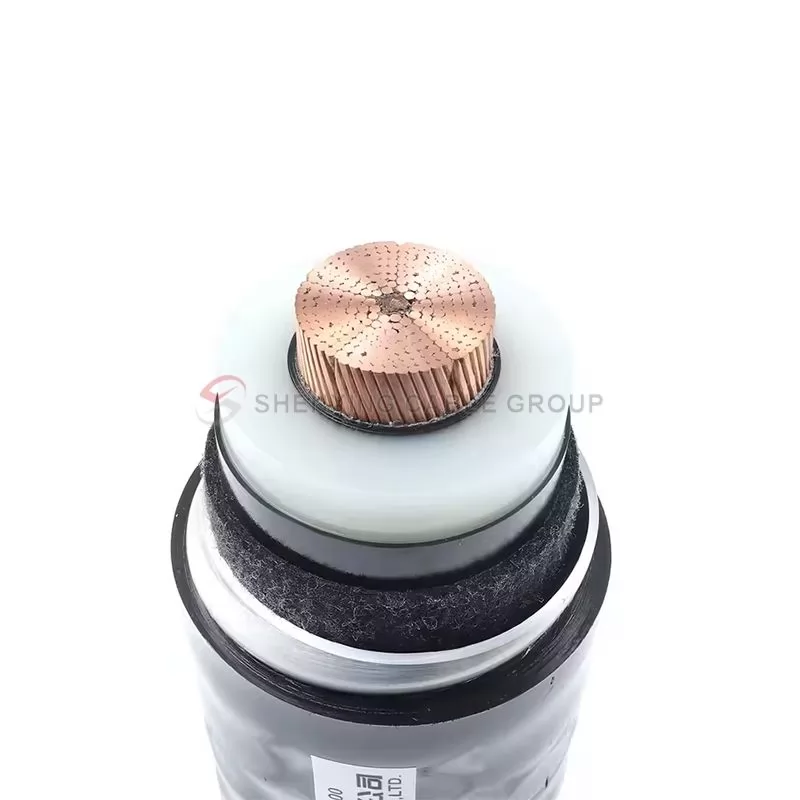
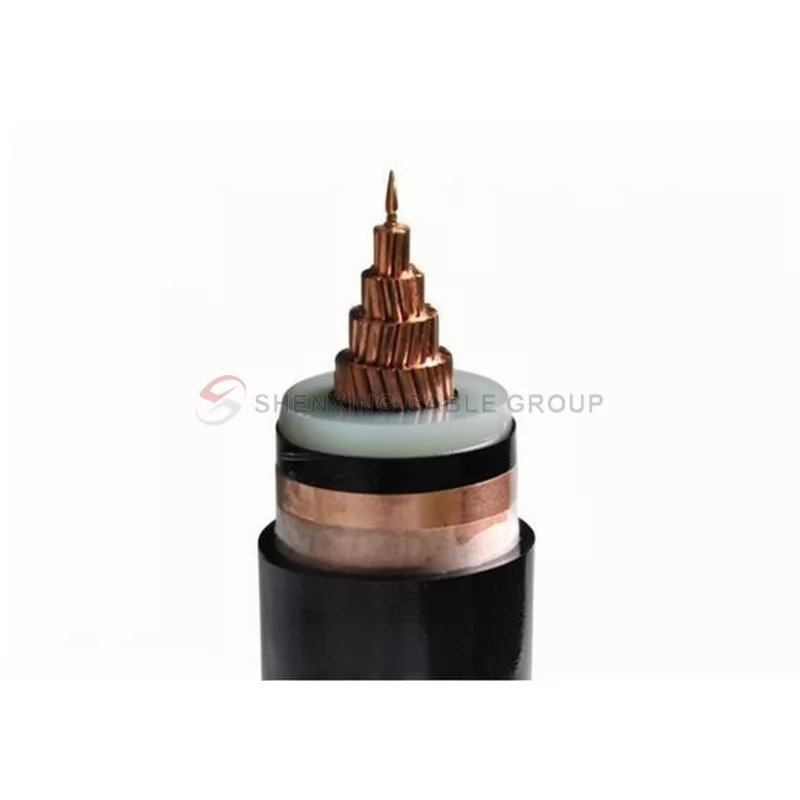
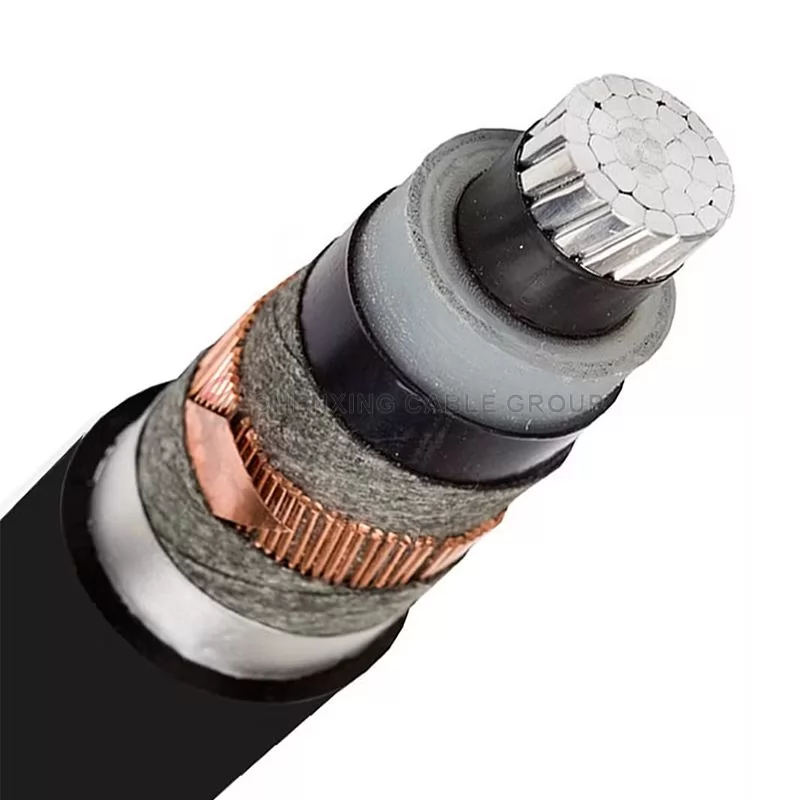
The technological evolution of submarine power cables has been a key driver behind their expanding role in global energy systems. Defined as cables with a voltage rating above 33 kV, these cables are integral to renewable energy integration, extending transmission lines to critical generation points such as offshore wind farms, oil and gas facilities, and inter-island networks. These advanced systems are designed for durability and efficiency, employing copper or aluminum conductors with multiple insulation layers. Most are armored with a 3-core design to withstand harsh subsea conditions and mechanical stresses.
One significant innovation in cable technology is the adoption of cross-linked polyethylene (XLPE) insulation, which provides higher current ratings and ensures longer transmission distances with minimal electrical losses. This material, combined with improved armoring techniques, has enhanced the reliability and efficiency of high-voltage submarine cables, making them suitable for transmitting electricity across extensive marine environments. Additionally, advancements in high-voltage direct current (HVDC) technology have allowed submarine cables to cover longer distances with reduced transmission loss. This capability is crucial for the interconnection of national grids and facilitating cross-border electricity trading.
The global high-voltage cable market is expanding rapidly. In 2024, the market was valued at USD 19.57 billion, and it is expected to grow at a compound annual growth rate (CAGR) of 6.2%, reaching USD 33.63 billion by 2033. The broader submarine cable market, which includes both power and communications cables, is projected to grow at a CAGR of 5.6% from 2025 to 2030, reaching a total value of USD 44.33 billion by 2030. This growth is driven by the increasing need for renewable energy integration and secure interconnections across regions.
As demand for renewable energy integration and reliable cross-border interconnectors rises, significant investments in high-voltage submarine cables are being made across the globe. Europe, Asia, North America, and the Middle East are leading this charge, with major projects aiming to enhance grid interconnectivity and support the transition to clean energy.
Europe is at the forefront of HVDC submarine cable development, with numerous projects aimed at renewable energy integration, energy security, and enhancing grid interconnectivity:
Italy: The Tyrrhenian Link project will connect Sicily and Sardinia with two 500 kV HVDC cables spanning 970 km, delivering 1,000 MW of power. The first 200 km section is expected to be completed by September 2025, with the second section planned for December 2025. This EUR 3.7 billion project is a key step in Italy’s renewable energy strategy.
Malta: The Malta–Italy Interconnector 2 will establish a 100 km subsea route connecting Sicily to Malta, receiving EUR 165 million in funding from the European Regional Development Fund 2021-2027.
UK: The Eastern Green Link 3 project will feature a 525 kV HVDC cable system spanning 680 km to connect Scotland and England, ensuring a reliable supply of clean power.
Germany/Netherlands: TenneT has contracted NKT to supply 525 kV HVDC cables for two major projects—LanWin7 and NordOstLink—worth a combined USD 1.03 billion.
Asia is rapidly expanding its HVDC submarine cable capabilities to support offshore wind projects and regional grid interconnections:
South Korea: LS Cable & System has completed the largest HVDC cable production facility in the country, and is one of the ten suppliers for the UK National Grid’s GBP 59-billion HVDC supply chain.
Vietnam: The nation is constructing its first extra-high-voltage cable manufacturing facility to meet the growing demand for power transmission solutions in Southeast Asia.
Japan/Taiwan/South Korea/US: The SoftBank-led E2A Consortium is building a 12,500 km submarine cable system to connect Japan, Taiwan, South Korea, and the US, with completion scheduled for 2028, to enhance digital connectivity and support high-capacity data transmission.
North America is also investing heavily in HVDC submarine cables to support renewable energy integration and regional power exchanges:
US: LS GreenLink has broken ground on the largest HVDC subsea cable factory in the US, expected to be operational by early 2028.
Canada: The Hydro-Québec New England Clean Energy Connect (NECEC) project will provide a 1,200 MW HVDC transmission line, delivering renewable hydroelectric power from Quebec to the northeastern US, enhancing regional decarbonization goals.
The Middle East is increasingly investing in HVDC submarine cables as part of its strategy to harness offshore energy resources and strengthen regional energy connections:
Abu Dhabi: A major project is underway to develop a 3,200 MW HVDC subsea transmission system connecting offshore oil and gas facilities to the onshore grid, improving efficiency and reducing carbon emissions.
UAE-India: Plans are in progress for an HVDC interconnector between the UAE and India, with a capacity of 2,000-2,500 MW, enabling the large-scale transmission of clean energy across borders.
The next decade will be pivotal for the role of HVDC submarine cables in the global energy landscape. These interconnectors will facilitate the bi-directional flow of electricity, linking independent grids, enhancing energy security, and enabling the creation of flexible, resilient energy markets. As nations continue to push toward cleaner, interconnected energy systems, high-voltage submarine cables will remain indispensable infrastructure, ensuring the efficient and reliable transmission of electricity across vast distances.
With continued technological advancements and significant investments in infrastructure, the future of HVDC submarine cables looks bright. These cables will be instrumental in achieving the global clean energy transition, enabling efficient renewable energy integration and cross-border power trading, and helping to shape a sustainable energy future for all.
Email: sales@sxcables.com
Official Website: www.sxcables.com
Latest Social Commitment

ACCC Conductor (Aluminum Conductor Composite Core)
February 05, 2026


Top 10 Low-Voltage Power Cable Companies in China
January 14, 2026

Top 10 Overhead Line Companies in China
January 28, 2026

Your Reliable Partner for High-Quality Cable Manufacturing
December 25, 2025


Power Cable Failures: Causes and Prevention Tips
October 17, 2025

Shenxing Cable Group's New Journey of Internationalization
November 03, 2025

Choosing Between Overhead Insulated Cables and Buried Power Lines
September 30, 2025


Control Cable Basics: Types, Size and Color Code
May 27, 2025

May 14, 2025
Hot Products
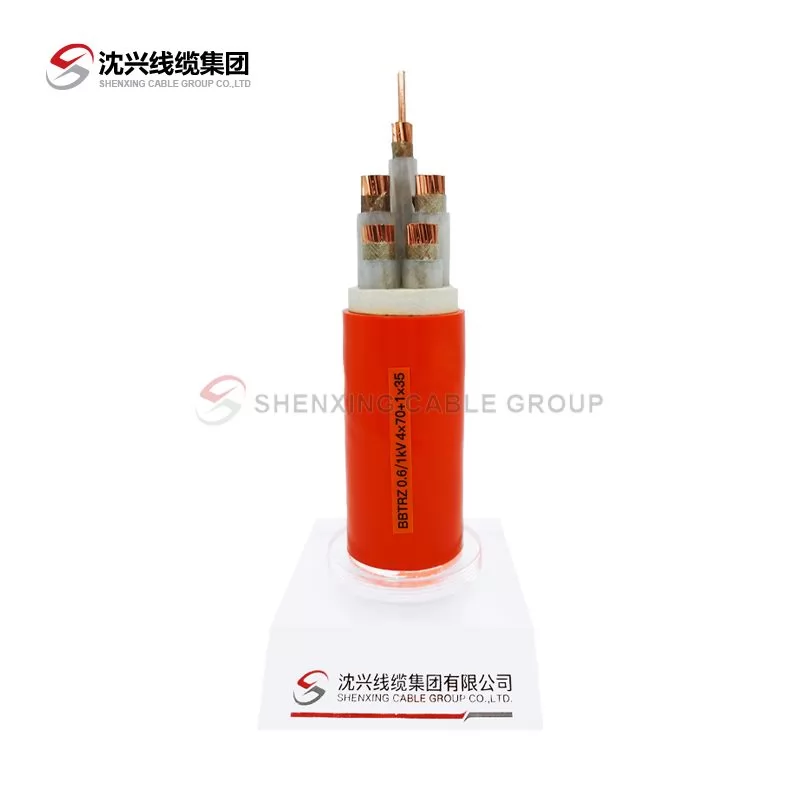
Copper Cores, XLPE Insulated, PVC Sheathed, Control Cable
Shenxing KYJV cross-linked power control cable is an advanced integrated intelligent high-voltage cable designed for real-time monitoring of cable operating parameters.
Read More
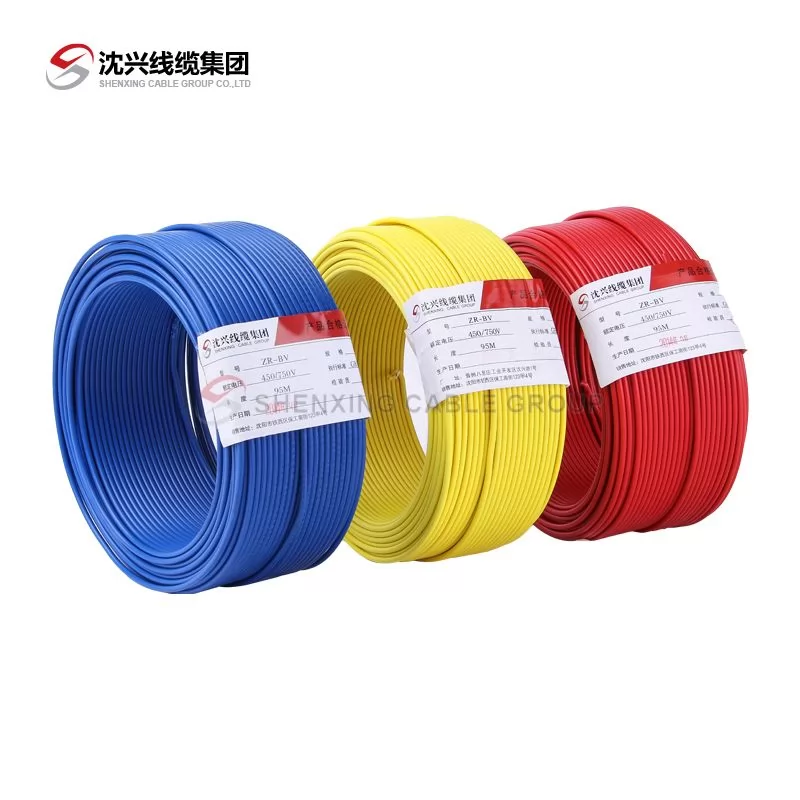
Copper Core PVC Insulated Wire
A global BV cable supplier offers a full variety of building cable from our stock and tailored XLPE cables as well.
Read More
Copper Core PVC Insulated PVC Sheathed Power Cable
BVV/BVVB cable is a high-quality power transmission cable widely used in residential, commercial and industrial environments.
Read More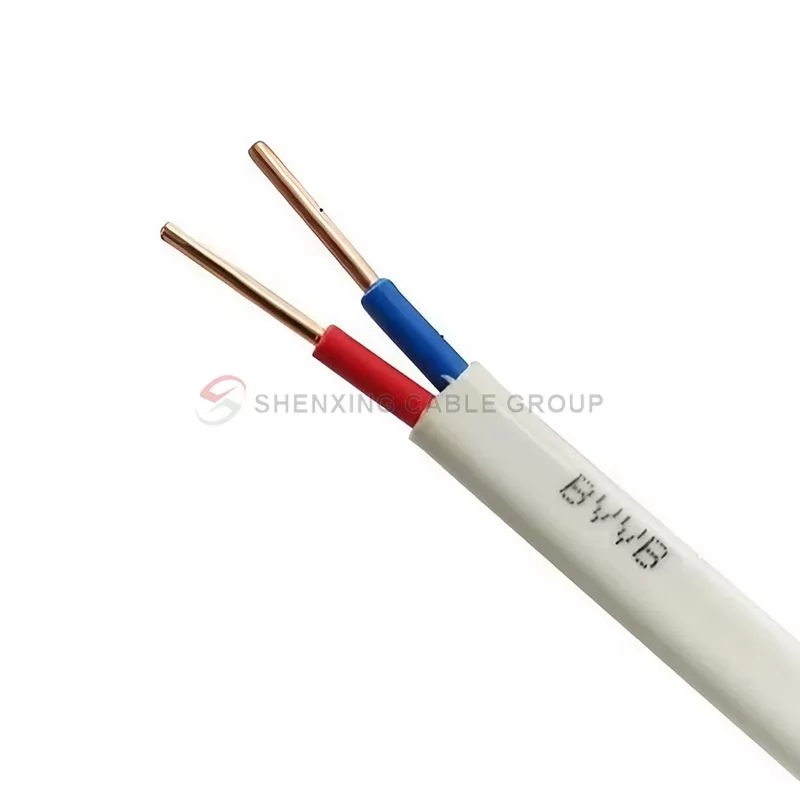
RVB-Copper Core Flat Sheathless Flexible Cable
Welcome to learn about Shenxing Cable Group's RVV/RVB cable (also known as flexible cable), which is a high-performance cable designed for a variety of low-voltage electrical applications. The cable consists of multiple copper conductors and a PVC outer sheath and is widely used in low-voltage electrical systems.
Read More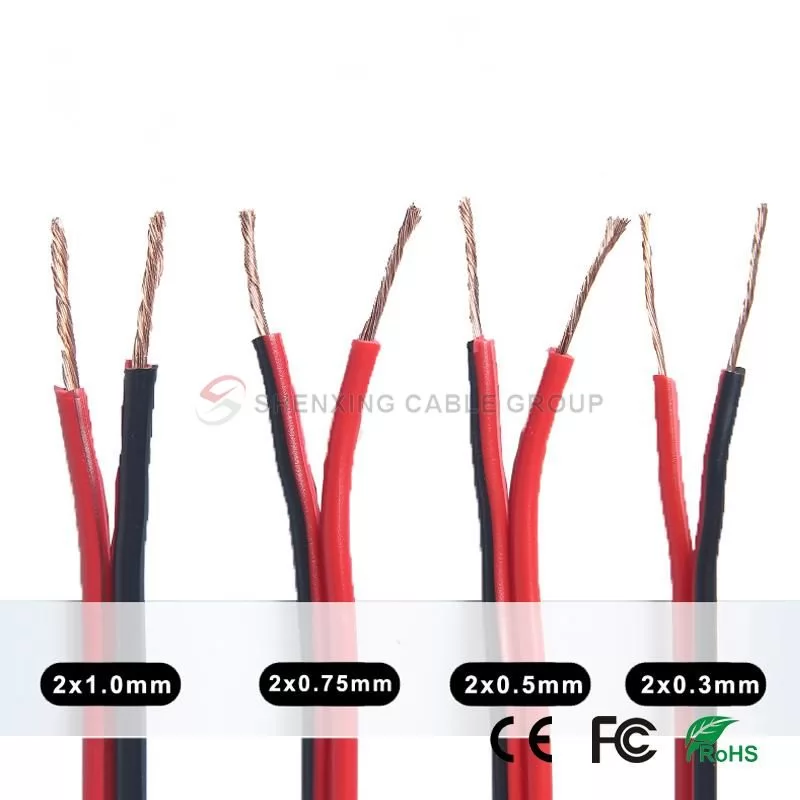
Copper Core PVC Insulated Connecting Soft Wire and Cable
Welcome to learn about RV cables from Shenxing Cable Group. This high-quality cable is designed for low-voltage electrical applications. By using high-quality materials and exquisite manufacturing technology, RV cables ensure that you enjoy reliable power supply and efficient power transmission in multiple fields, providing you with ideal solutions.
Read More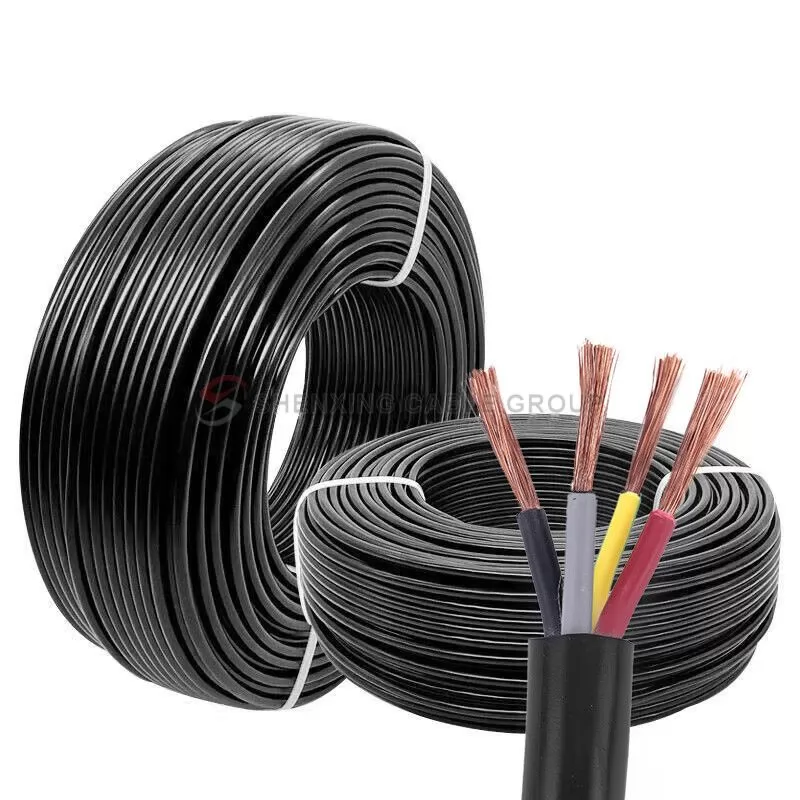
RVV cable is suitable for a variety of application scenarios, including home power wiring, industrial equipment connections, office electrical systems, etc. Whether it is used for power transmission, electrical equipment connection, or use in harsh environments, RVV cables can provide stable, efficient, and safe power support.
Read More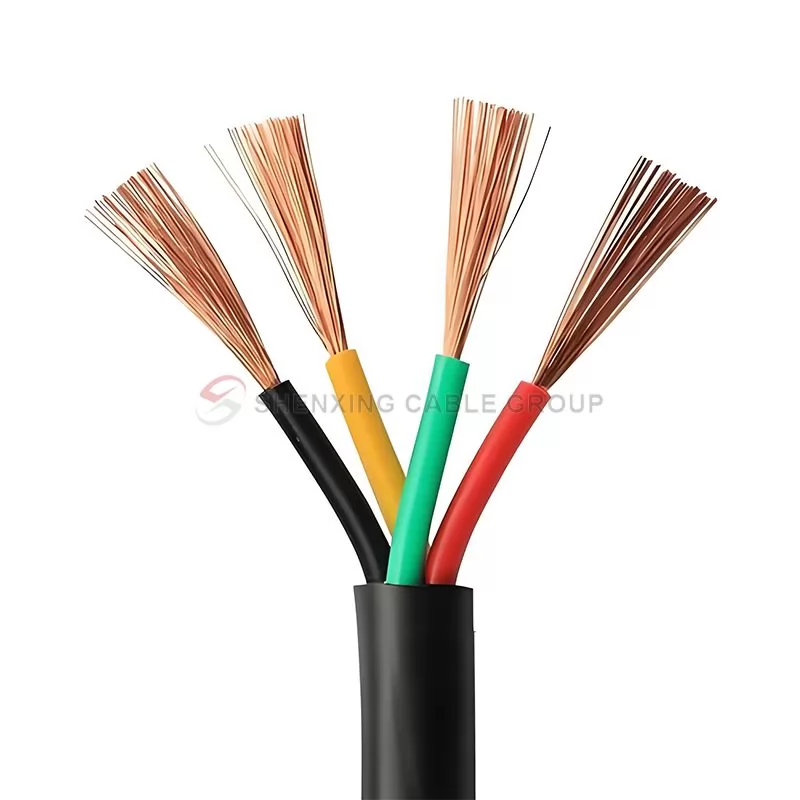
Copper Conductor, PVC Insulated and Sheathed, Steel-tape Armoured Control Cable
RVS twisted pair flexible cable provided by Shenxing Cable Group is a 300/500V voltage level cable consisting of two insulated conductors twisted around each other. We produce many types of twisted pair cables in strict accordance with the Chinese national standard GB/T 8734.3. RVS twisted pair shielded cable consists of two independent insulated copper conductors that are twisted around each other and arranged in parallel.
Read More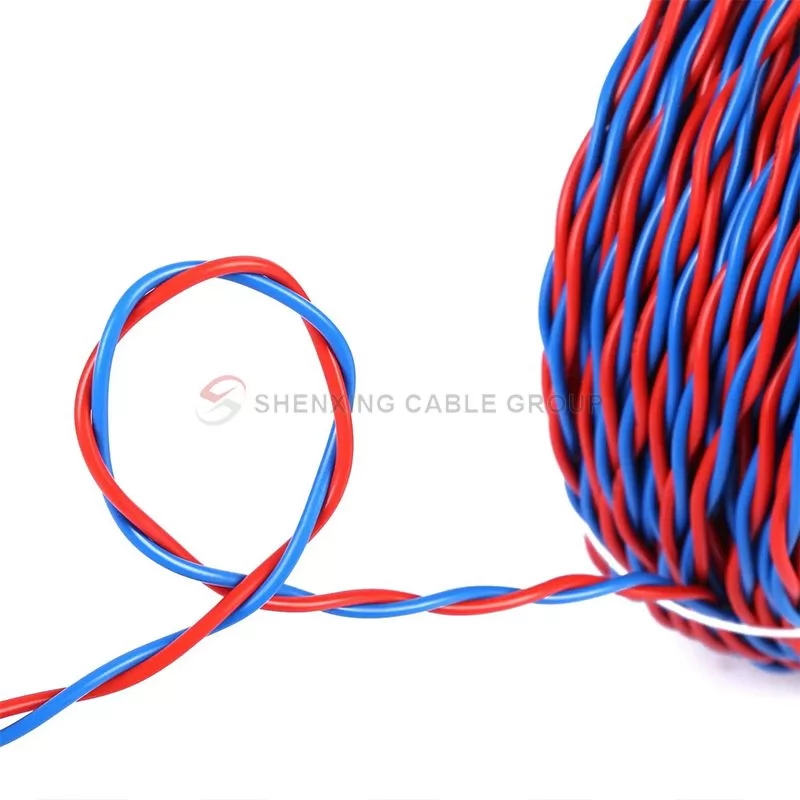
TÜV Solar PV Cable TÜV-H1Z2Z2-K
The SHENXING solar PV H1Z2Z2-K cable, which is TÜV certified according to EN 50618 and AENOR, is suitable for both fixed and mobile solar installations (solar farms, rooftop solar installations and floating plants). It is a highly flexible cable compatible with all major connectors and specially designed for the connection of photovoltaic panels. This versatile single-conductor cable is designed to meet the varying needs of the solar industry. Suitable for wet, damp and humid locations.
Read More
Shenxing Photovoltaic Cable PV1-F is a high-performance cable designed for solar photovoltaic systems. It has excellent high temperature resistance, extrusion resistance, environmental cracking resistance and other characteristics, ensuring the long-term stable operation of photovoltaic power generation systems. As a leading global photovoltaic cable manufacturer and supplier, Shenxing Cable is committed to providing high-quality cable solutions to meet the needs of various photovoltaic installa
Read More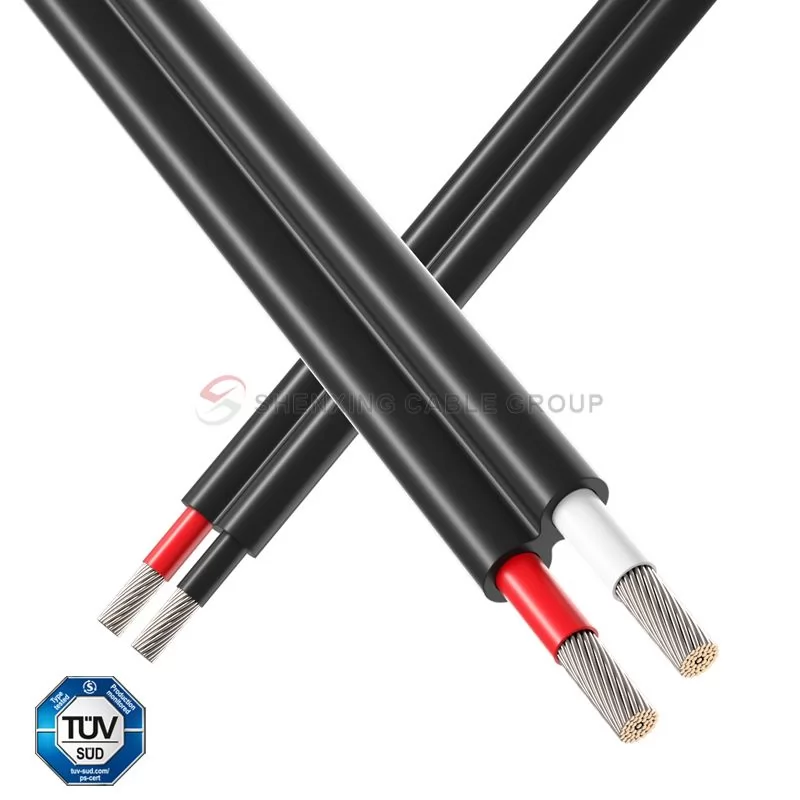
110kv Copper Core XLPE Insulated Corrugated Aluminum Sheathed Power Cable
YJLW high voltage cross-linked polyethylene cable is a high-quality cable product for high voltage power transmission. It adopts high-quality copper core, aluminum core and cross-linked polyethylene insulation materials to ensure the high efficiency and reliability of power transmission.
Read More