A large-scale wire and cable group integrating manufacturing, sales, design, and R&D.
INQUIRY NOWJuly 30, 2026
When comparing low-voltage domestic wiring with extra-high-voltage (EHV) power transmission infrastructure, industry outsiders often encounter a paradox: Why are 220V/110V household cables wrapped in heavy insulation, while 500kV extra-high-voltage transmission lines hang entirely bare?
Intuition suggests that higher voltage requires thicker physical protection. However, in electrical engineering, utility grid optimization, and industrial cable design, the opposite logic applies. The design of 500kV overhead conductors is a balance of dielectric physics, thermal management, structural load limits, and lifecycle cost efficiency.
Here is a technical breakdown of why 500kV high-voltage lines operate without outer dielectric insulation.
1. Air as a Natural Dielectric Medium
The primary purpose of insulation is to prevent unwanted current flow between conductors or to the ground.
Low-Voltage Cables (110V–220V): Installed in dense residential and commercial spaces, lower-voltage wires are subject to constant human contact, physical abrasion, moisture, and tight routing through conduits. Flexible polymers such as PVC or XLPE are necessary to prevent physical shock and short circuits.
500kV Overhead Lines: Suspended dozens of meters in the air atop massive steel lattice towers, EHV lines use atmospheric air as their primary insulating layer. Air possesses a dielectric strength of approximately $3\text{ kV/mm}$ under standard atmospheric conditions. By maintaining precise phase-to-phase and phase-to-ground clearance distances (typically several meters for 500kV), air acts as a maintenance-free, self-healing dielectric barrier at zero material cost.
2. Thermal Management and Joule Heating Dissipation
Power transmission conductors carry immense current loads over hundreds of kilometers, generating significant internal thermal energy via Joule heating.
If a 500kV conductor were encased in solid polymer insulation thick enough to withstand half a million volts, the outer jacket would act as a severe thermal blanket. Heat trapped inside would lead to rapid thermal degradation, conductor sagging, insulation breakdown, and catastrophic failure.
Leaving high-voltage conductors exposed allows natural air convection and thermal radiation to cool the line efficiently, maintaining optimal current-carrying capacities (ampacity).
3. Structural Mechanics and Mechanical Load Constraints
Solid insulating materials designed for EHV applications are extremely dense and heavy. Applying high-dielectric jackets to long-span overhead conductors would exponentially increase mechanical stress:
Deadweight Increase: The total weight of thousands of kilometers of cable would multiply dramatically.
Tower Infrastructure: Support towers would require significantly thicker steel cross-sections and shorter span distances to withstand the increased tension, wind loading, and potential ice accumulation (galloping).
Grid Risk: Heavy insulated cables significantly increase the risk of structural collapse under severe meteorological conditions.
By utilizing lightweight, high-tensile bare conductors—such as ACSR (Aluminum Conductor Steel Reinforced) or advanced composite core conductors—utilities minimize tower mechanical requirements while maintaining structural integrity.
4. Lifecycle Economics and Capital Expenditure (CAPEX)
From an infrastructure investment perspective, insulating thousands of miles of high-voltage transmission lines with specialized polymers is economically unfeasible.
Manufacturing & Material Costs: Producing EHV-grade insulated cable at utility scale drives up raw material costs exponentially.
Maintenance & Inspection: Bare overhead lines allow utilities to perform rapid, non-destructive optical inspections via drones and helicopters. Fault identification on bare lines is straightforward compared to diagnosing internal dielectric voids in insulated cables.
Alternative Solutions: While high-voltage underground cables (using thick XLPE or fluid-filled designs) exist for dense urban corridors, their installation and maintenance costs can be 10 to 15 times higher per kilometer than traditional bare overhead lines.
Key Takeaways for Electrical Engineering & Utilities
Engineering design is rarely about adding maximum physical protection; it is about finding the optimal threshold between safety, physics, thermal dynamics, and economic viability. Bare overhead conductors remain the global standard for long-distance 500kV power transmission because air provides the ultimate insulation at zero weight and zero cost.
Latest Social Commitment


SXCables Hosts Suriname Partners: Powering Infrastructure
April 15, 2026

Grid-robots-zero-risk-cable-maintenance
March 24, 2026

PV Photovoltaic Cables vs. USE-2 Cables: Selection Guide
March 13, 2026

5 Critical Mistakes to Avoid When Installing Medium Voltage Cables
February 26, 2026
Hot Products
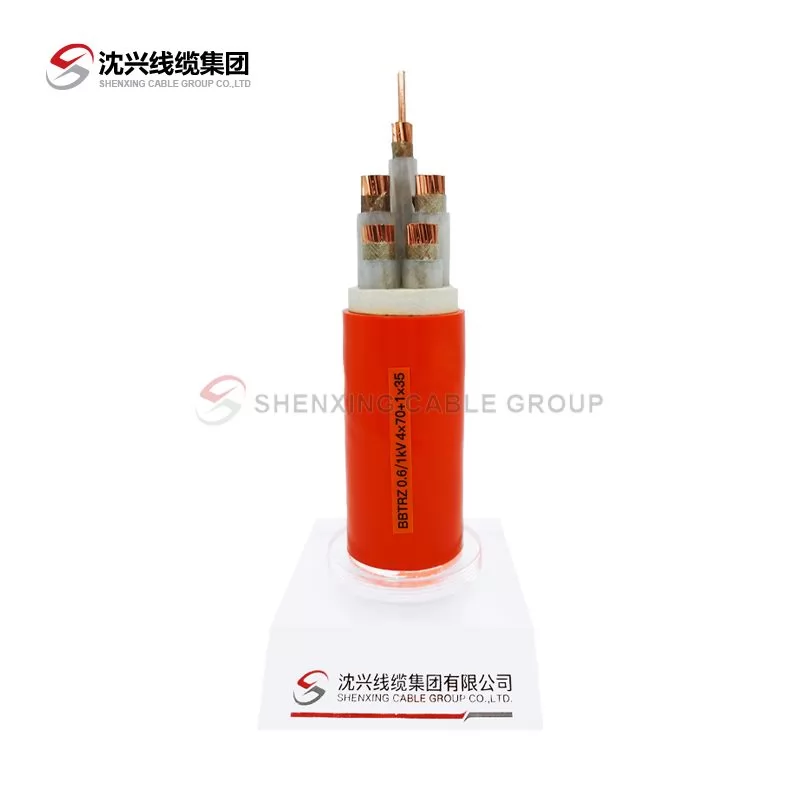
Copper Cores, XLPE Insulated, PVC Sheathed, Control Cable
Shenxing KYJV cross-linked power control cable is an advanced integrated intelligent high-voltage cable designed for real-time monitoring of cable operating parameters.
Read More
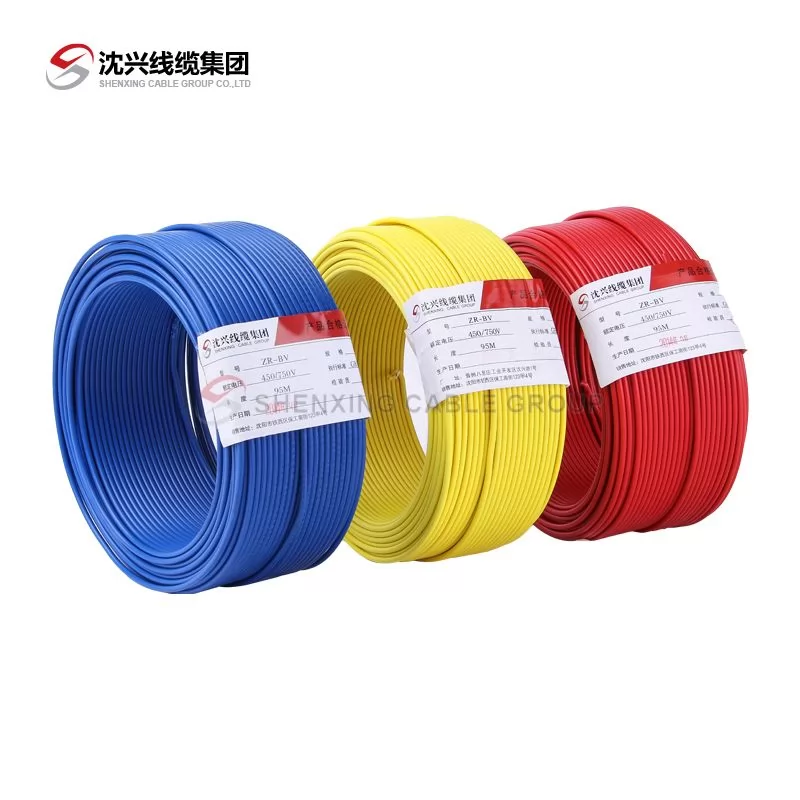
Copper Core PVC Insulated Wire
A global BV cable supplier offers a full variety of building cable from our stock and tailored XLPE cables as well.
Read More
Copper Core PVC Insulated PVC Sheathed Power Cable
BVV/BVVB cable is a high-quality power transmission cable widely used in residential, commercial and industrial environments.
Read More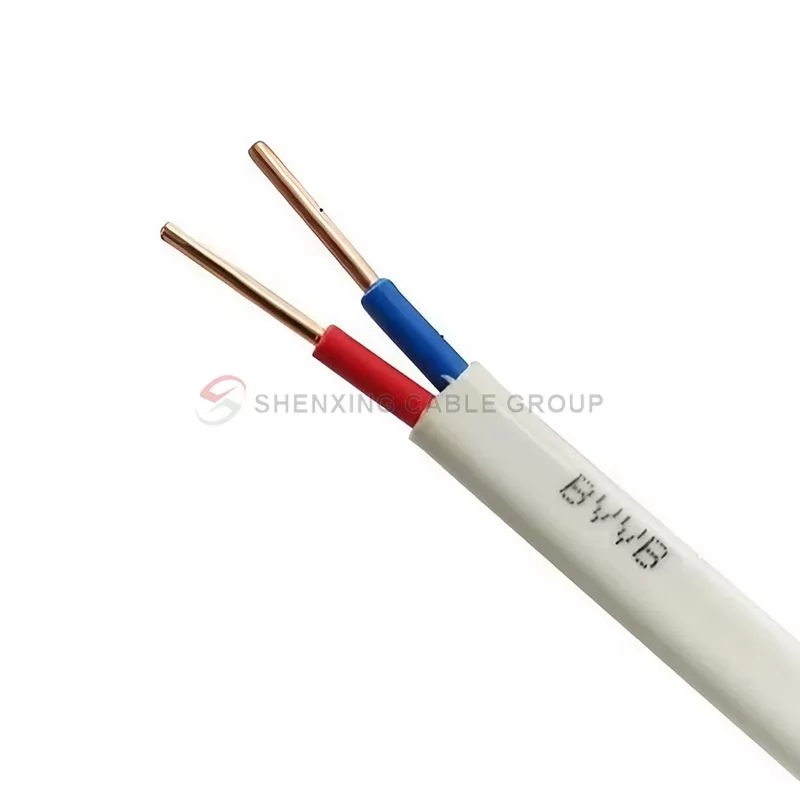
RVB-Copper Core Flat Sheathless Flexible Cable
Welcome to learn about Shenxing Cable Group's RVV/RVB cable (also known as flexible cable), which is a high-performance cable designed for a variety of low-voltage electrical applications. The cable consists of multiple copper conductors and a PVC outer sheath and is widely used in low-voltage electrical systems.
Read More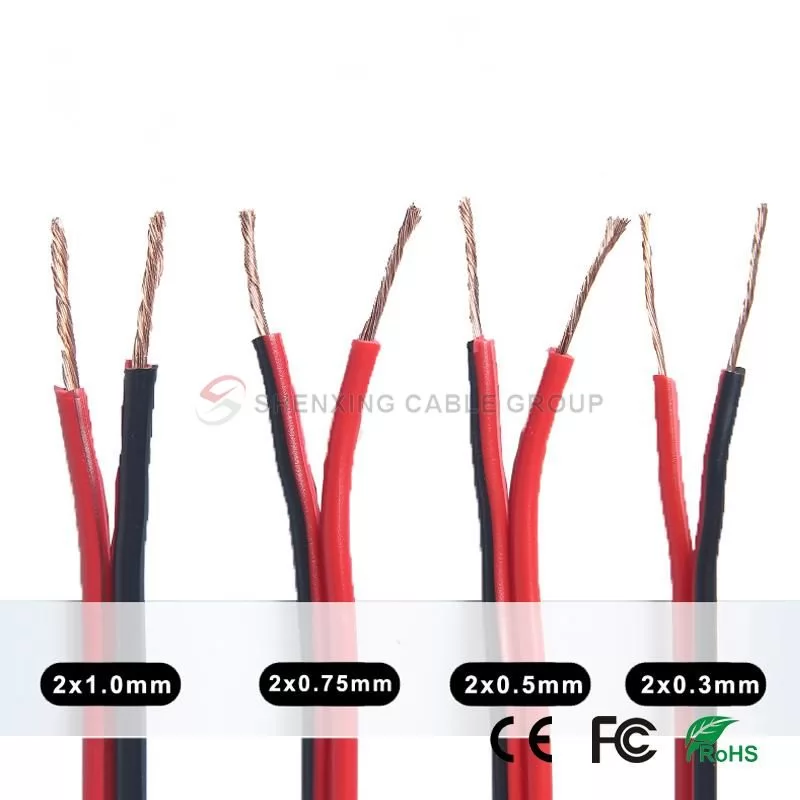
Copper Core PVC Insulated Connecting Soft Wire and Cable
Welcome to learn about RV cables from Shenxing Cable Group. This high-quality cable is designed for low-voltage electrical applications. By using high-quality materials and exquisite manufacturing technology, RV cables ensure that you enjoy reliable power supply and efficient power transmission in multiple fields, providing you with ideal solutions.
Read More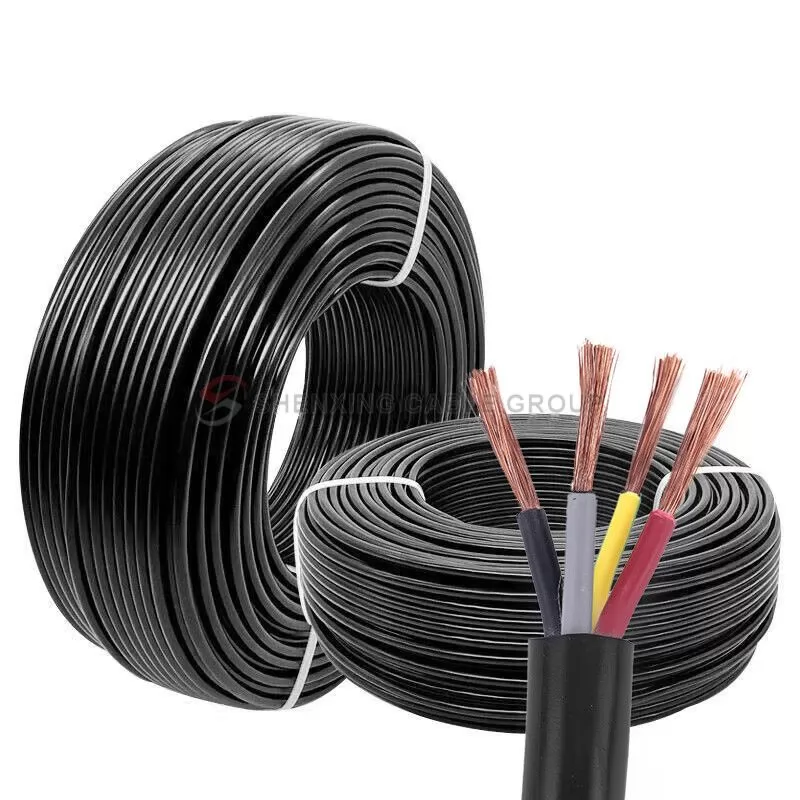
RVV cable is suitable for a variety of application scenarios, including home power wiring, industrial equipment connections, office electrical systems, etc. Whether it is used for power transmission, electrical equipment connection, or use in harsh environments, RVV cables can provide stable, efficient, and safe power support.
Read More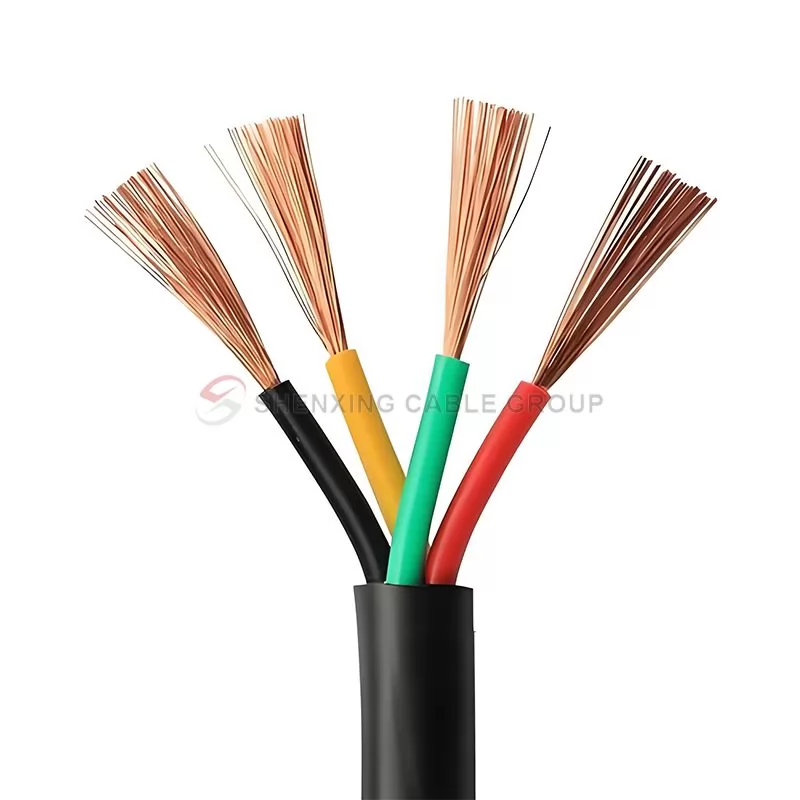
Copper Conductor, PVC Insulated and Sheathed, Steel-tape Armoured Control Cable
RVS twisted pair flexible cable provided by Shenxing Cable Group is a 300/500V voltage level cable consisting of two insulated conductors twisted around each other. We produce many types of twisted pair cables in strict accordance with the Chinese national standard GB/T 8734.3. RVS twisted pair shielded cable consists of two independent insulated copper conductors that are twisted around each other and arranged in parallel.
Read More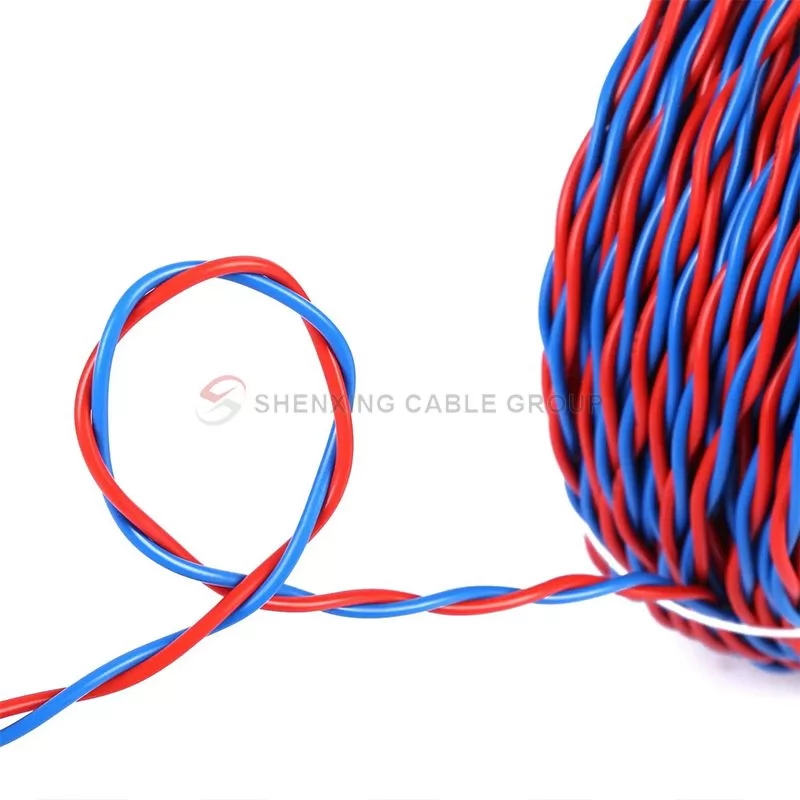
TÜV Solar PV Cable TÜV-H1Z2Z2-K
The SHENXING solar PV H1Z2Z2-K cable, which is TÜV certified according to EN 50618 and AENOR, is suitable for both fixed and mobile solar installations (solar farms, rooftop solar installations and floating plants). It is a highly flexible cable compatible with all major connectors and specially designed for the connection of photovoltaic panels. This versatile single-conductor cable is designed to meet the varying needs of the solar industry. Suitable for wet, damp and humid locations.
Read More
Shenxing Photovoltaic Cable PV1-F is a high-performance cable designed for solar photovoltaic systems. It has excellent high temperature resistance, extrusion resistance, environmental cracking resistance and other characteristics, ensuring the long-term stable operation of photovoltaic power generation systems. As a leading global photovoltaic cable manufacturer and supplier, Shenxing Cable is committed to providing high-quality cable solutions to meet the needs of various photovoltaic installa
Read More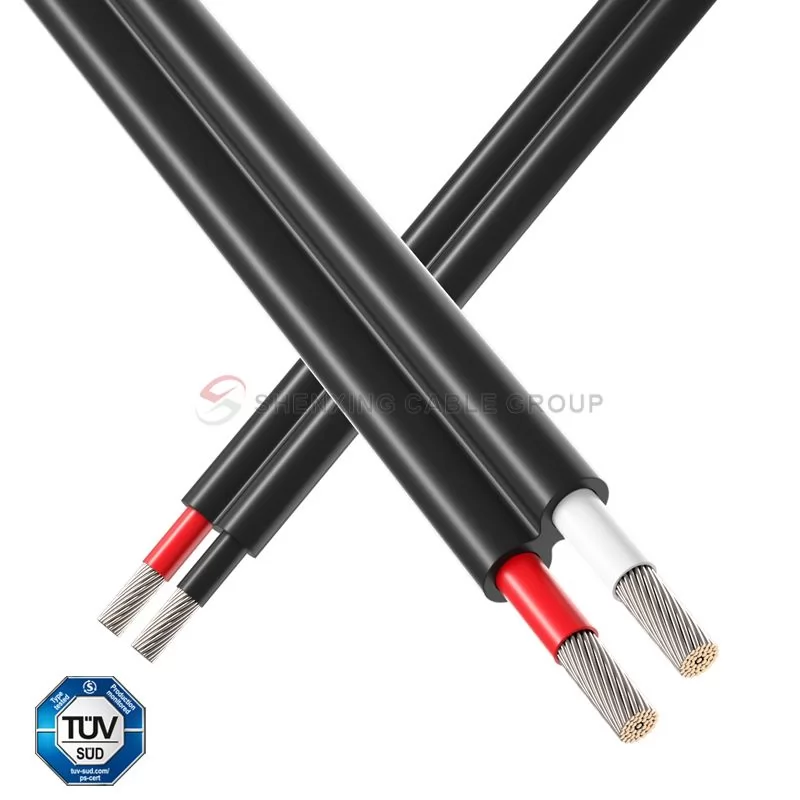
110kv Copper Core XLPE Insulated Corrugated Aluminum Sheathed Power Cable
YJLW high voltage cross-linked polyethylene cable is a high-quality cable product for high voltage power transmission. It adopts high-quality copper core, aluminum core and cross-linked polyethylene insulation materials to ensure the high efficiency and reliability of power transmission.
Read More