A large-scale wire and cable group integrating manufacturing, sales, design, and R&D.
INQUIRY NOW


64/110 (123) kV Cable
2XS(FL)2Y/A2XS(FL)2Y High Voltage cables offers both aluminum and copper conductor options, allowing for flexible selection based on diverse project requirements.
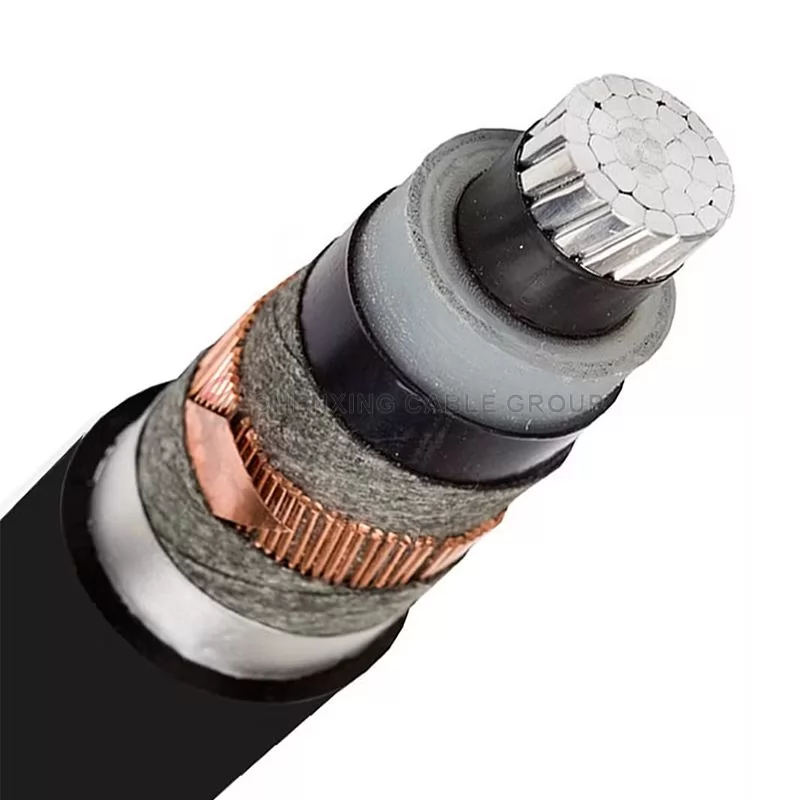
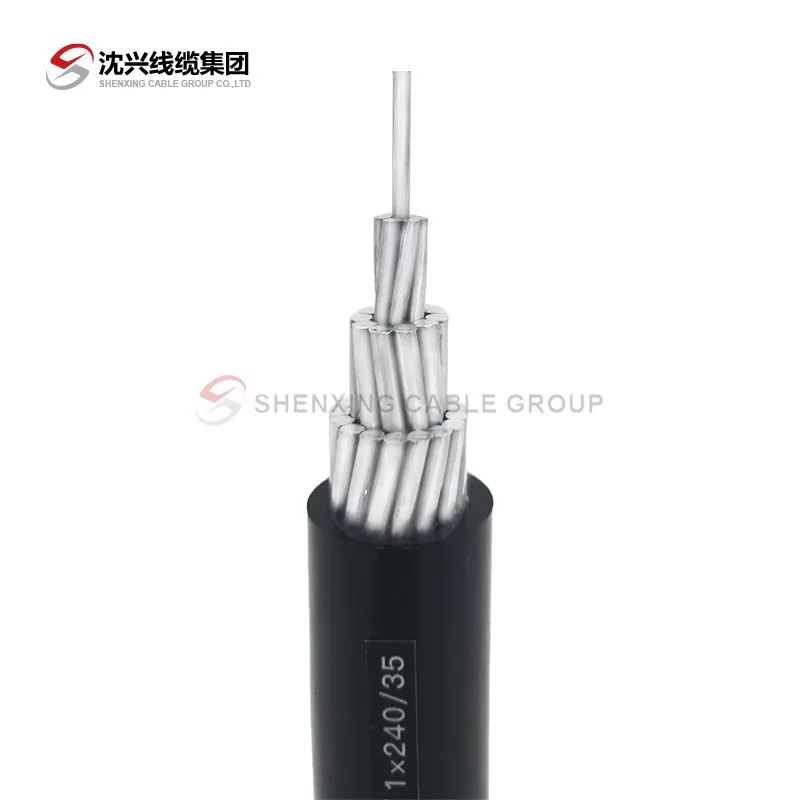
Aluminum conductor model (A2XS(FL)2Y): Utilizes high-quality aluminum conductors, resulting in lighter weight and a more cost-effective overall design. Suitable for long-distance power transmission and projects with high requirements for economy and ease of construction.
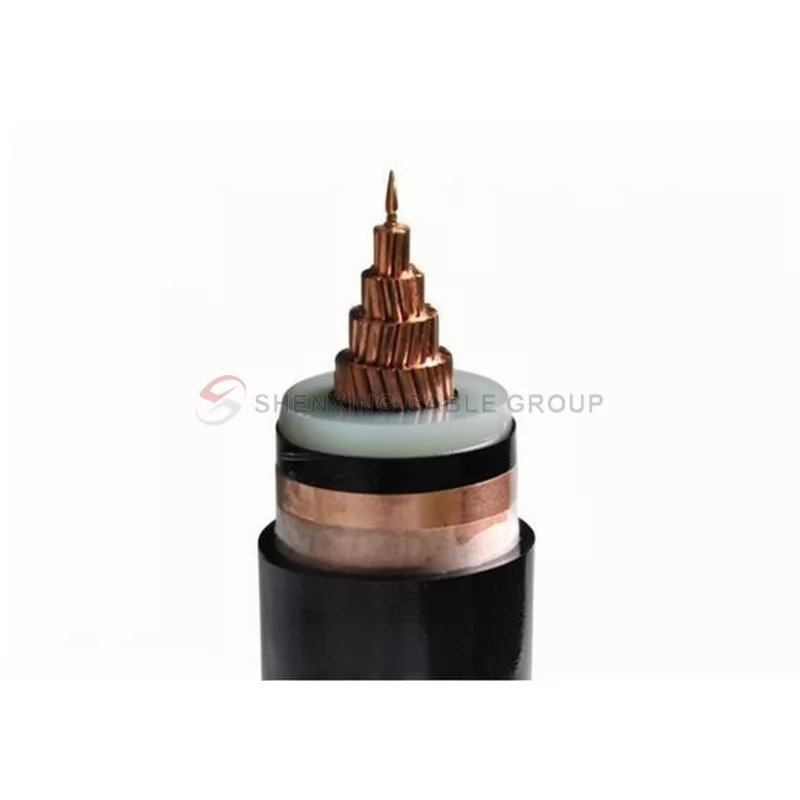
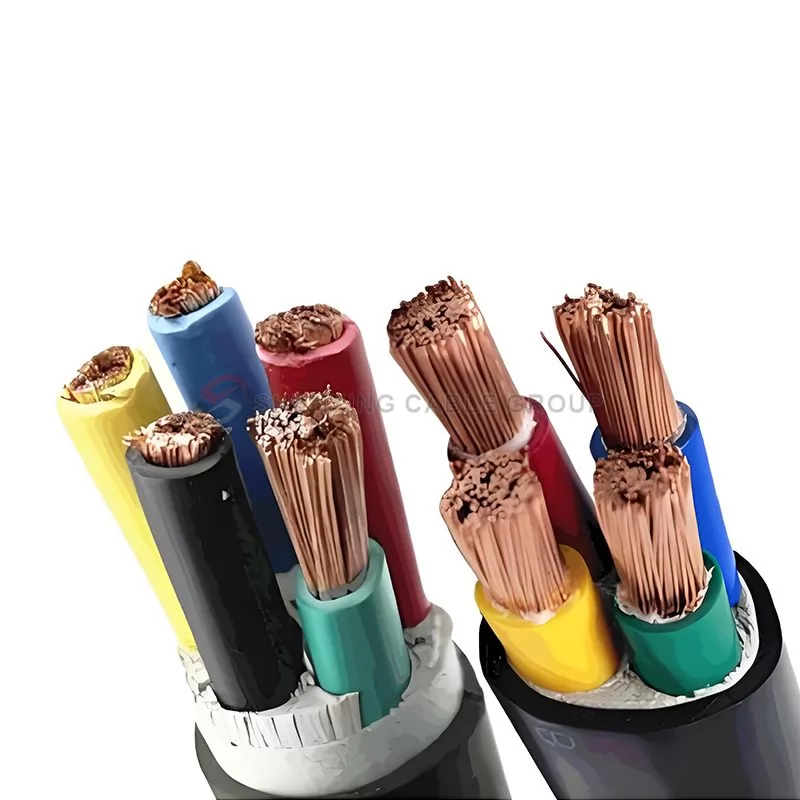
Copper conductor model (2XS(FL)2Y): Employs high-purity copper conductors, offering superior conductivity, higher current carrying capacity, and lower resistance. Suitable for critical power systems with high requirements for power transmission stability and energy efficiency.
Both models feature XLPE insulation, a longitudinal aluminum foil waterproof layer (FL), and an HDPE outer sheath (2Y), providing excellent voltage resistance, moisture resistance, and mechanical strength. Suitable for medium- and high-voltage applications such as underground installations, tunnels, power plants, and industrial power distribution.
Share:
2XS(FL)2Y power cable or its aluminum equivalent is only suitable for distribution networks.
We offer a wider range of grid connection solutions, including medium and low voltage cables, as well as solutions for connecting renewable energy and energy storage systems (BESS), all manufactured to applicable national, European, or international standards.
For support in specification development or assistance with any compliance and regulatory issues, our technical and industry experts are ready to work with your team to provide the best cable solutions.

Structure
Conductor: Aluminum conductor/Copper conductor
Conductor shielding layer: Semi-conductive shielding layer extruded onto the phase conductor
Insulation layer: Cross-linked polyethylene (XLPE)
Insulation shielding layer: Semi-conductive shielding layer extruded onto the insulation layer
Stretch layer: Semi-conductive water-absorbing and swelling tape
Metallic shielding layer: Copper wire + copper tape
Stretch layer: Semi-conductive water-absorbing and swelling tape
Tape: Aluminum tape longitudinally coated with polyethylene copolymer
Sheath: High-density polyethylene (HDPE)
Sheath color: Black

Application scenarios:
⚡ Urban underground high-voltage power transmission lines
🏗 Large-scale infrastructure projects
🚇 Tunnels and cable tunnels
🏭 Industrial and energy power distribution systems
🔌 Substation connection lines
Technical Data
| Number of cores | Conductor diameter (mm) | Conductor Diameter (mm²) | Insulation Thickness (mm) | Metallic Screen | Nominal Outer Diameter (mm) | Nominal Weight (kg/km) | Maximum Pulling Force (kN) | Minimum Bending Radius (mm) | ||
| Nominal thickness | Nominal diamter over | Nominal cross section mm² | Nominal diameter over mm | |||||||
| Single core | 14.1 | 150 | 18.0 | 53.1 | 95 | 58.9 | 67 | 4350 | 5.3 | 1.7 |
| 15.8 | 185 | 17.0 | 52.2 | 95 | 58.0 | 66.0 | 4330.0 | 6.5 | 1.7 | |
| 17.9 | 240 | 16.5 | 52.9 | 95 | 58.7 | 67 | 4490 | 8.4 | 1.7 | |
| 20.0 | 300 | 15.5 | 53.0 | 95.0 | 58.8 | 67.0 | 4600.0 | 10.5 | 1.7 | |
| 22.9 | 400 | 14.5 | 53.9 | 95 | 59.7 | 68.0 | 4820.0 | 14.0 | 1.7 | |
| 25.7 | 500 | 14.0 | 55.7 | 95 | 61.5 | 70 | 5210 | 17.5 | 1.8 | |
| 29.3 | 630 | 14.0 | 59.9 | 95 | 65.7 | 74 | 5910 | 22.1 | 1.9 | |
| 33.0 | 800 | 14.0 | 63.6 | 95 | 69.4 | 78 | 6610 | 28.0 | 2.0 | |
| 38.0 | 1000 | 14.0 | 68.6 | 95 | 74.4 | 84 | 7540 | 35.0 | 2.1 | |
| 42.5 | 1200 | 14.0 | 73.1 | 95 | 78.9 | 88 | 8440 | 42.0 | 2.2 | |
Expand all
Only some product parameters are displayed. For more product information, please contact us.
The above parameters are for reference only.
Cable Structure
64/110 (123) kV Cable-A2XS(FL)2Y

At Shenxing Cable, we specialize in providing premium 2XS(FL)2Y power cables, designed for high-voltage applications. Our XLPE 2XS(FL)2Y cables feature superior insulation, ensuring exceptional durability and reliability in demanding power transmission systems. As a trusted 2XS(FL)2Y cable manufacturer, we provide high voltage power cables ideal for industrial and commercial uses, ensuring safety and efficiency in your energy distribution.
Our 2XS(FL)2Y power cables are designed for a wide range of applications, including:
Power Transmission Systems
Industrial Power Distribution
Energy and Renewable Energy Plants
Substations and Electrical Grids
Construction and Infrastructure Projects
Whether you’re working on a new energy plant, upgrading power transmission systems, or enhancing industrial power distribution, our 2XS(FL)2Y power cables are the perfect choice for reliable, safe, and efficient operations.
Advanced XLPE Insulation: Our XLPE 2XS(FL)2Y cables are designed with cross-linked polyethylene insulation, offering excellent resistance to heat, moisture, and environmental stress, ensuring long-term performance in high-voltage applications.
High Voltage Resistance: Our 2XS(FL)2Y power cables are engineered to withstand high electrical stress, providing superior safety and performance for medium and high-voltage power transmission.
Industrial Use: These cables are perfect for industrial power systems, energy plants, substations, and construction projects, delivering reliable and high-performance power transmission solutions.
Ready to order 2XS(FL)2Y power cables for your industrial or high-voltage projects? Contact us today for a competitive quote and expert advice. Our team is here to provide tailored solutions to meet your high-voltage cable needs.

What are the benefits of using 2XS(FL)2Y power cables in high-voltage applications?
2XS(FL)2Y cables provide exceptional performance, thanks to their XLPE insulation, which offers excellent heat resistance and superior protection against electrical stress. These cables are ideal for high-voltage power transmission, offering enhanced safety and reliability.
How does XLPE insulation enhance the performance of 2XS(FL)2Y cables?
XLPE insulation offers excellent thermal resistance, high electrical strength, and protection against mechanical damage. This makes XLPE 2XS(FL)2Y cables more durable, efficient, and resistant to environmental factors such as UV radiation, moisture, and temperature fluctuations.
Can 2XS(FL)2Y cables be used for outdoor installations?
Yes, our 2XS(FL)2Y power cables are UV-resistant and designed for both indoor and outdoor applications. They are ideal for power transmission systems, substations, and outdoor construction projects, offering long-lasting durability and reliability.
Features

Features
Both the NA2XS(FL)2Y copper core high-voltage cable and the A2XS(FL)2Y aluminum core high-voltage cable utilize Category 2 stranded conductors and XLPE insulation. The conductors can operate at a maximum long-term temperature of +90°C, ensuring stable operation in both high and low temperature environments.
These cables are specifically designed for underground and duct installations. The metal shielding layer features a double waterproof structure both inside and out, combined with longitudinal water-blocking expansion tape to effectively prevent moisture penetration along the cable's longitudinal direction. The outer sheath is bonded with a copolymer laminate, possessing self-healing capabilities for minor damage, significantly improving the cable's reliability and service life.

High-density polyethylene (HDPE) serves as the standard outer sheath material, achieving an ideal balance between abrasion resistance and flexibility.
Medium-density polyethylene (MDPE) sheath options are also available.
Both HDPE and MDPE sheaths are well-suited for buried cable network applications. Their excellent mechanical properties effectively resist damage to the cable sheath from sharp stones, preventing long-term wear from affecting cable performance.
Furthermore, HDPE and MDPE maintain good stability even under high ambient temperatures, while traditional sheath materials such as PVC may soften in high-temperature environments.
Production
Production Equipment
Projects

COMMON QUESTIONS
SHENXING Cable Service FAQs
Want to learn more? Check out our electrical cable most frequently asked questions.
What role does the shielding structure play in marine inverter cables?
Shielding structures (such as copper wire braiding and aluminum foil shielding) can effectively reduce electromagnetic interference (EMI), ensure stable signal transmission and reduce motor noise when the variable frequency speed regulation system is running.
Are marine inverter cables flame retardant?
Yes, marine inverter cables are made of low smoke zero halogen (LSZH) materials, meet the IEC 60332-3-22 flame retardant standard, and have high efficiency flame retardant and environmental protection performance.
What is the rated voltage range of marine inverter cables?
Common rated voltages are 0.6/1kV and 1.8/3kV. The specific selection needs to be determined according to the voltage level of the ship power system.
How is the marine inverter cable different from ordinary cables?
Marine inverter cables have higher voltage shock resistance and anti-electromagnetic interference capabilities. They are specially designed for ship frequency converter power systems and can meet the needs of harsh marine environments, such as high humidity, salt spray, vibration and other conditions.
How low a temperature can marine flexible cables withstand?
Marine flexible cables can usually operate normally within an operating temperature range of -40°C to +90°C, and some specially designed cables can withstand more extreme temperature conditions.
More Frequently Asked Questions.
Download
Related Products
110kv Copper Core XLPE Insulated Corrugated Aluminum Sheathed Power Cable
YJLW high voltage cross-linked polyethylene cable is a high-quality cable product for high voltage power transmission. It adopts high-quality copper core, aluminum core and cross-linked polyethylene insulation materials to ensure the high efficiency and reliability of power transmission.
Read More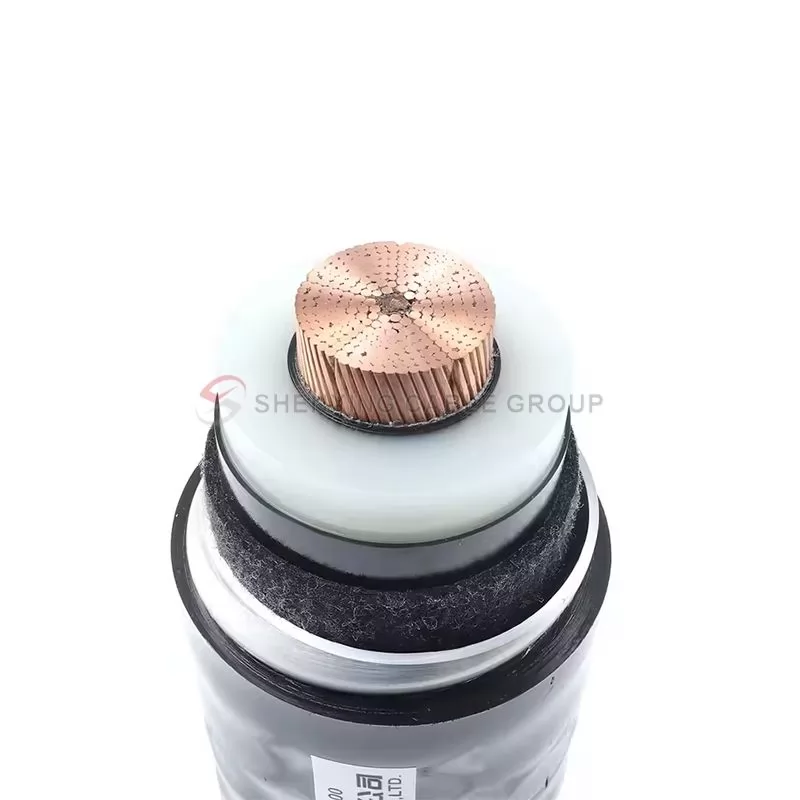
Request Your Free Electrical Cable Quote Today