A large-scale wire and cable group integrating manufacturing, sales, design, and R&D.
INQUIRY NOWFebruary 26, 2026
Medium voltage (MV) cable installation requires careful planning, specialized tools, and strict compliance with technical standards. Even minor installation errors can lead to insulation failure, safety hazards, costly downtime, and premature cable replacement. Understanding and avoiding the most common installation mistakes is essential to ensure long-term system reliability and operational safety.
The most common installation mistakes include:
Improper cable terminations that damage insulation or create weak electrical connections.
Exposed conductors that allow moisture ingress and corrosion.
Incorrect cable routing near energized equipment.
Excessive slack or bending beyond the recommended bend radius.
Poor shield cutback alignment, leading to insulation stress and partial discharge.
Using proper installation procedures, approved accessories, and professional handling methods significantly reduces the risk of system failure.

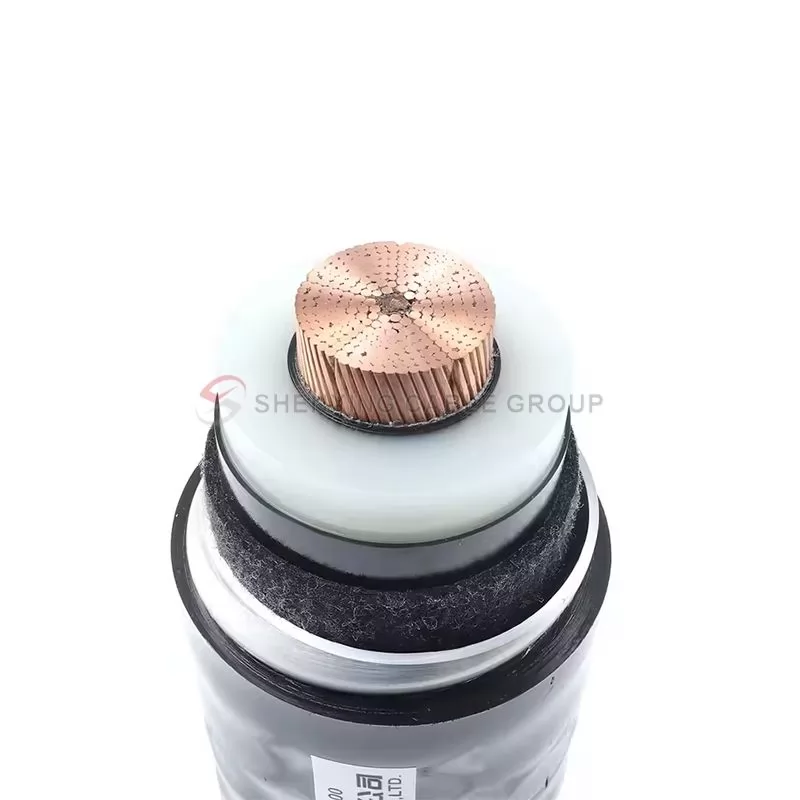
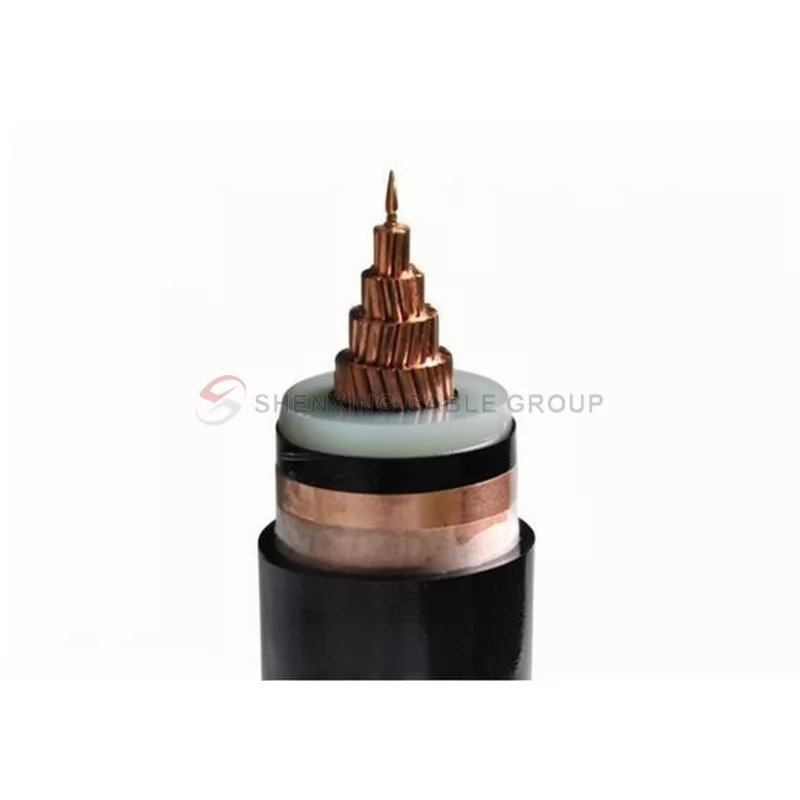
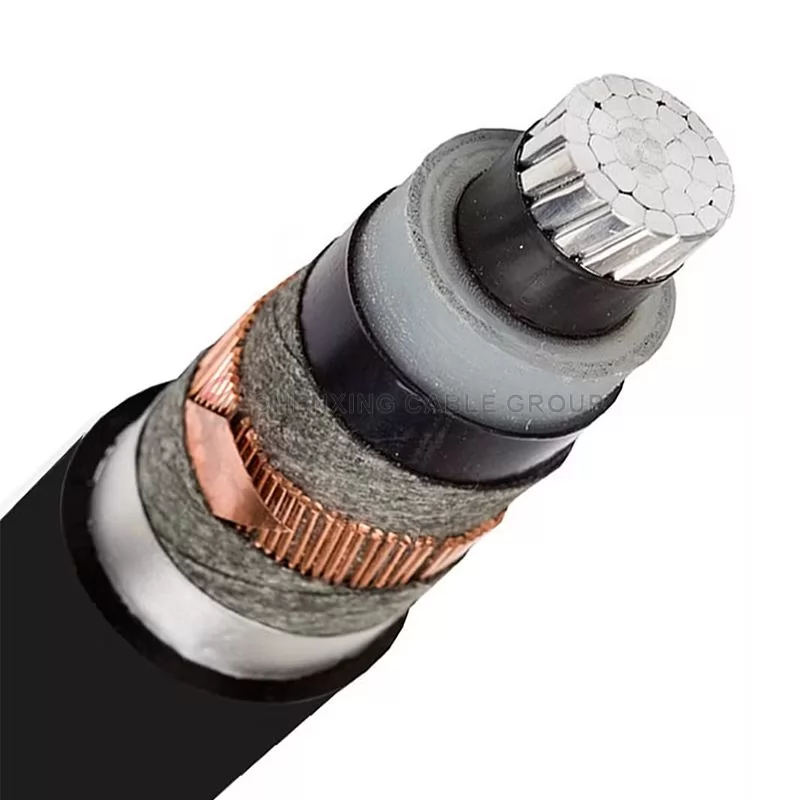
Medium Voltage Cable NA2XS2Y/NA2XS(F)2Y/NA2XS(FL)2Y
Cable terminations are among the most critical points in any medium voltage system. Incorrect termination techniques can weaken insulation, introduce moisture, and create unreliable electrical connections.
One common mistake is removing the semi-conductive insulation layer using standard knives instead of specialized scoring tools. This can create microscopic cuts in XLPE insulation, reducing dielectric strength and creating stress concentration points that may eventually cause failure.
Crimping errors also present serious risks. Using incorrect crimping dies or mismatched connectors can lead to loose connections, overheating, and electrical arcing. Over-compression can deform connectors and create hotspots, while under-compression results in poor conductivity. Always use compatible lugs and crimping tools from the same manufacturer and verify proper conductor insertion before crimping.
Moisture intrusion is another major concern. If heat-shrink tubing or termination components are applied over uneven insulation surfaces, voids may form where moisture can accumulate. Proper surface preparation, smoothing insulation, and sealing termination points are essential to prevent long-term damage.
Exposed medium voltage conductors present serious operational and safety hazards. When conductors are not properly sealed, moisture can enter the cable through capillary action, leading to corrosion of the conductor and metallic shield.
Water accumulation inside the conductor strands can create internal pressure, potentially damaging termination components or causing system failure. In colder climates, trapped moisture may freeze and expand, resulting in insulation cracking or mechanical damage.
To prevent these issues:
Seal cable ends immediately using heat-shrink end caps.
Use proper termination kits designed for medium voltage applications.
Avoid temporary sealing methods such as PVC tape.
Perform sheath integrity testing before commissioning.
Proper sealing ensures long-term protection against environmental exposure.
Incorrect routing of medium voltage cables near energized components can result in electrical faults, overheating, and insulation failure. Even without direct contact, electromagnetic fields and improper grounding can create hazardous electrical conditions.
Poor routing may also expose cables to mechanical stress or accidental damage during equipment maintenance.
Best practices include:
Maintaining safe clearance from energized busbars and equipment.
Using cable trays, ducts, or protective troughs for secure routing.
Properly grounding cable shields to prevent induced voltage buildup.
Securing cables with rated cleats and supports.
Careful routing reduces both electrical and mechanical risks while improving system reliability.
Improper slack management and tight bending are common causes of medium voltage cable damage. Excessive slack may force installers to bend cables beyond the recommended limits, while overly tight bends can damage internal insulation layers.
Exceeding the minimum bend radius may cause:
Insulation cracking or deformation
Separation of internal shielding layers
Partial discharge and insulation breakdown
Reduced cable lifespan
As a general guideline, the minimum bending radius should be at least 12–15 times the cable’s overall diameter during installation. Installation should also be avoided in extremely cold temperatures unless cables are properly pre-conditioned to prevent brittleness.
Shield cutback refers to the precise removal of insulation and shielding layers during cable termination preparation. Incorrect cutback dimensions or misalignment can create localized electrical stress points, increasing the risk of partial discharge and premature insulation failure.
Proper alignment ensures that stress control components function correctly and distribute electrical stress evenly along the cable termination.
To ensure correct shield preparation:
Follow manufacturer-specified cutback measurements.
Use precision scoring tools designed for MV cables.
Clean insulation surfaces thoroughly before termination.
Ensure proper bonding and grounding of the metallic shield.
Accurate shield preparation significantly improves termination reliability and system safety.
Most medium voltage cable failures can be traced back to installation errors rather than manufacturing defects. Avoiding common mistakes such as improper terminations, exposed conductors, poor routing, excessive bending, and incorrect shield preparation is essential for ensuring reliable operation.
Following manufacturer guidelines, using certified installation tools, and performing proper testing procedures can extend cable service life beyond 30–40 years while minimizing safety risks and maintenance costs.
A well-installed medium voltage cable system ensures efficient power distribution, protects critical infrastructure, and delivers long-term operational reliability.
Email: sales@sxcables.com
Official Website: www.sxcables.com
Hot Products
Copper Cores, XLPE Insulated, PVC Sheathed, Control Cable
Shenxing KYJV cross-linked power control cable is an advanced integrated intelligent high-voltage cable designed for real-time monitoring of cable operating parameters.
Read More
Copper Core PVC Insulated Wire
A global BV cable supplier offers a full variety of building cable from our stock and tailored XLPE cables as well.
Read More
Copper Core PVC Insulated PVC Sheathed Power Cable
BVV/BVVB cable is a high-quality power transmission cable widely used in residential, commercial and industrial environments.
Read More
RVB-Copper Core Flat Sheathless Flexible Cable
Welcome to learn about Shenxing Cable Group's RVV/RVB cable (also known as flexible cable), which is a high-performance cable designed for a variety of low-voltage electrical applications. The cable consists of multiple copper conductors and a PVC outer sheath and is widely used in low-voltage electrical systems.
Read More
Copper Core PVC Insulated Connecting Soft Wire and Cable
Welcome to learn about RV cables from Shenxing Cable Group. This high-quality cable is designed for low-voltage electrical applications. By using high-quality materials and exquisite manufacturing technology, RV cables ensure that you enjoy reliable power supply and efficient power transmission in multiple fields, providing you with ideal solutions.
Read More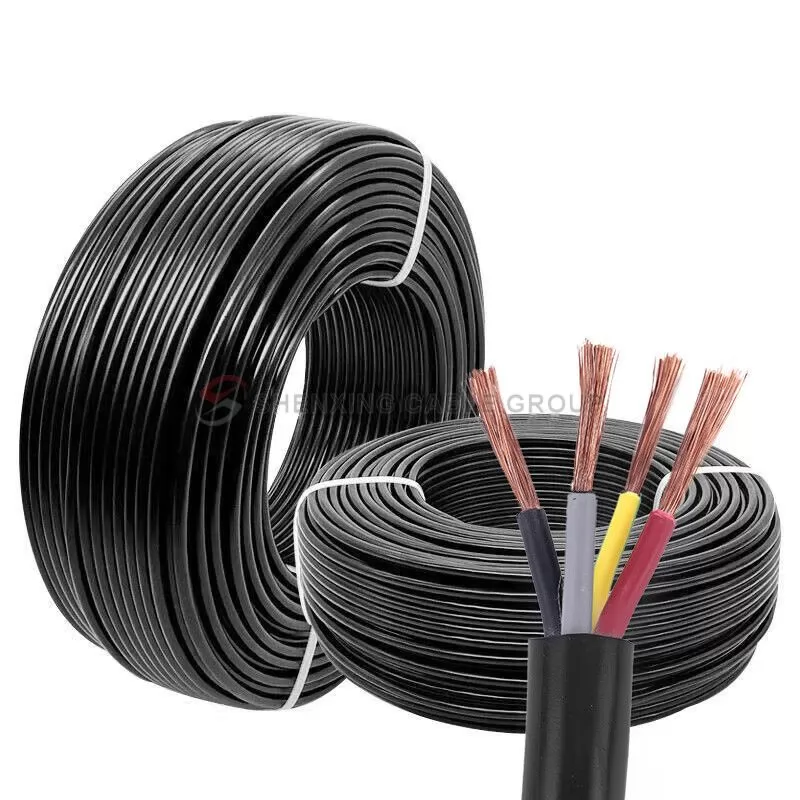
RVV cable is suitable for a variety of application scenarios, including home power wiring, industrial equipment connections, office electrical systems, etc. Whether it is used for power transmission, electrical equipment connection, or use in harsh environments, RVV cables can provide stable, efficient, and safe power support.
Read More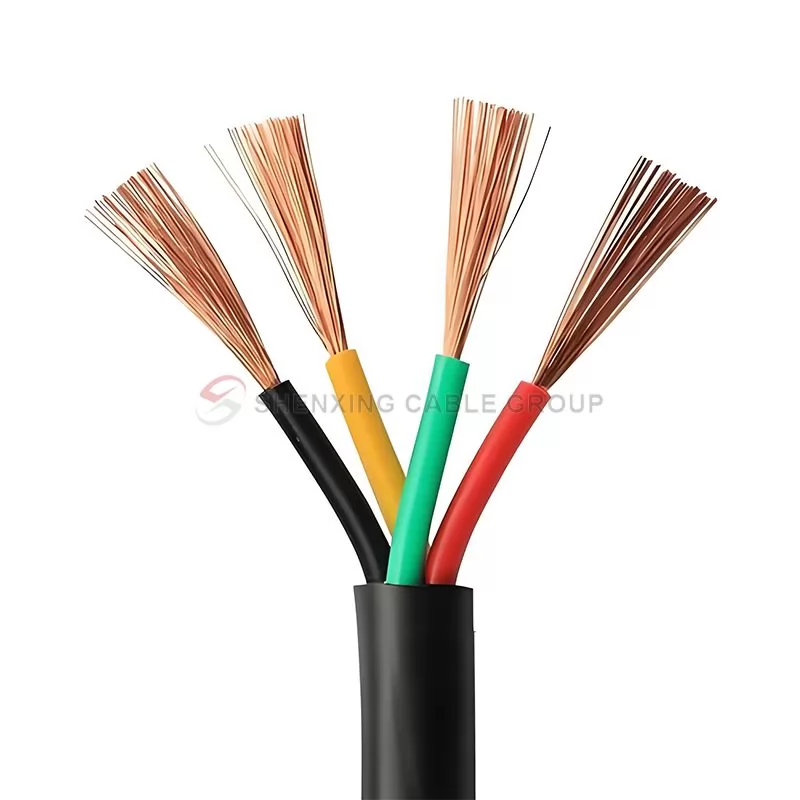
Copper Conductor, PVC Insulated and Sheathed, Steel-tape Armoured Control Cable
RVS twisted pair flexible cable provided by Shenxing Cable Group is a 300/500V voltage level cable consisting of two insulated conductors twisted around each other. We produce many types of twisted pair cables in strict accordance with the Chinese national standard GB/T 8734.3. RVS twisted pair shielded cable consists of two independent insulated copper conductors that are twisted around each other and arranged in parallel.
Read More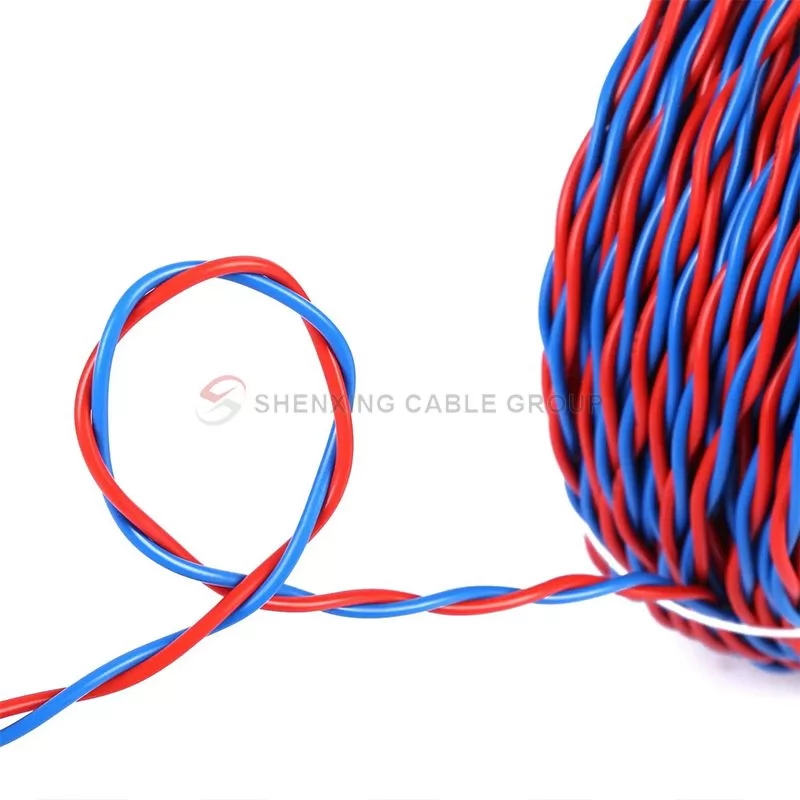
TÜV Solar PV Cable TÜV-H1Z2Z2-K
The SHENXING solar PV H1Z2Z2-K cable, which is TÜV certified according to EN 50618 and AENOR, is suitable for both fixed and mobile solar installations (solar farms, rooftop solar installations and floating plants). It is a highly flexible cable compatible with all major connectors and specially designed for the connection of photovoltaic panels. This versatile single-conductor cable is designed to meet the varying needs of the solar industry. Suitable for wet, damp and humid locations.
Read More
Shenxing Photovoltaic Cable PV1-F is a high-performance cable designed for solar photovoltaic systems. It has excellent high temperature resistance, extrusion resistance, environmental cracking resistance and other characteristics, ensuring the long-term stable operation of photovoltaic power generation systems. As a leading global photovoltaic cable manufacturer and supplier, Shenxing Cable is committed to providing high-quality cable solutions to meet the needs of various photovoltaic installa
Read More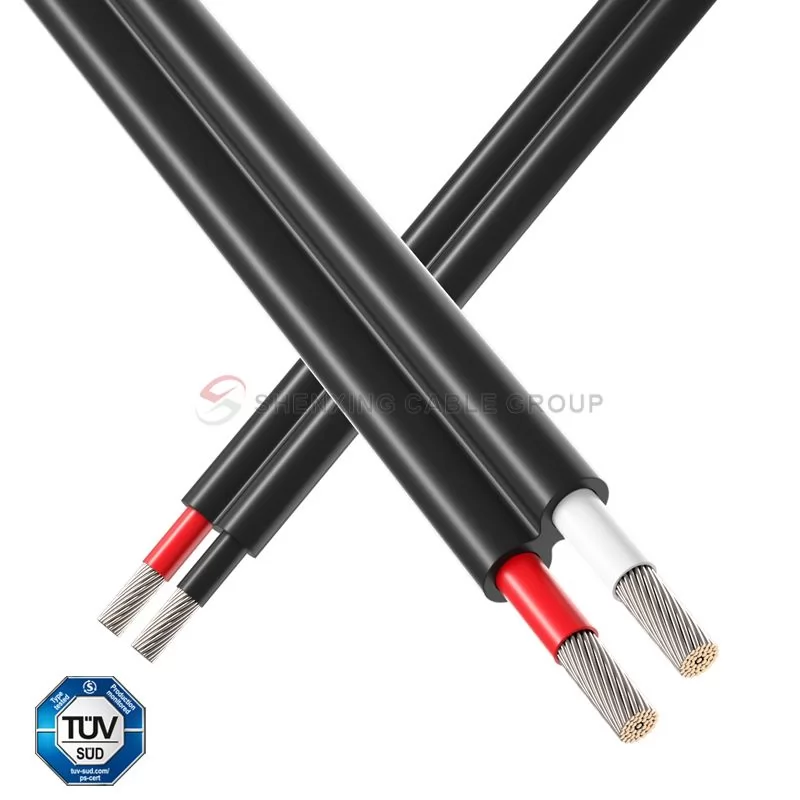
110kv Copper Core XLPE Insulated Corrugated Aluminum Sheathed Power Cable
YJLW high voltage cross-linked polyethylene cable is a high-quality cable product for high voltage power transmission. It adopts high-quality copper core, aluminum core and cross-linked polyethylene insulation materials to ensure the high efficiency and reliability of power transmission.
Read More