A large-scale wire and cable group integrating manufacturing, sales, design, and R&D.
INQUIRY NOWFebruary 26, 2026
Medium voltage (MV) cables, typically rated between 1 kV and 35 kV, are critical components in modern electrical distribution systems. They serve as the essential link between low-voltage internal wiring and high-voltage transmission networks, enabling efficient power delivery to cities, industrial facilities, infrastructure, and renewable energy installations. As global electrification, renewable energy expansion, and grid modernization accelerate, MV cables continue to play a central role in ensuring safe, stable, and efficient electricity transmission.

Medium Voltage Cable N2XS(F)2Y/N2XS(FL)2Y/N2XS2Y
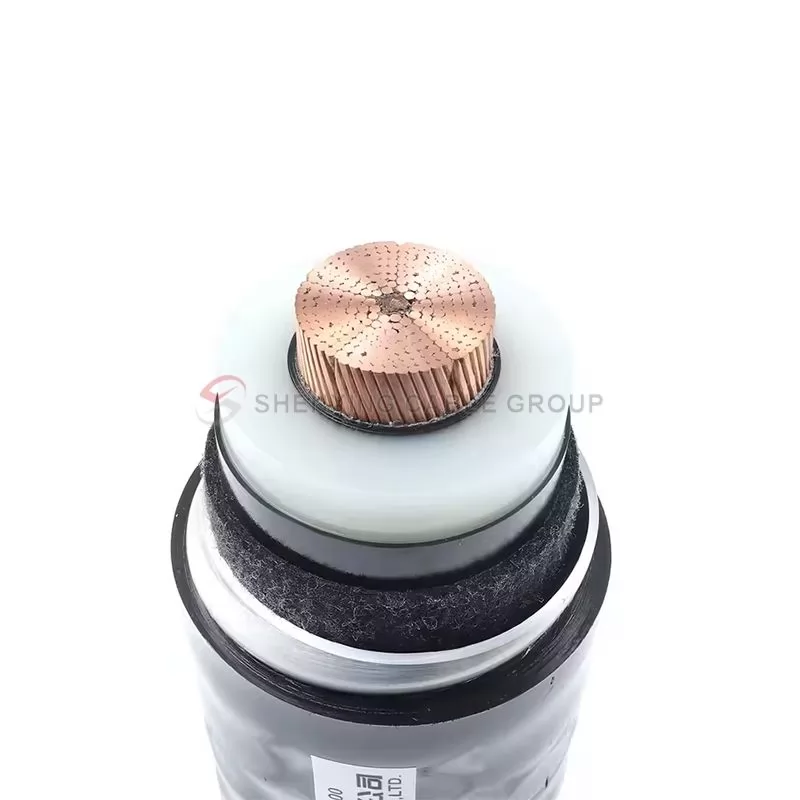
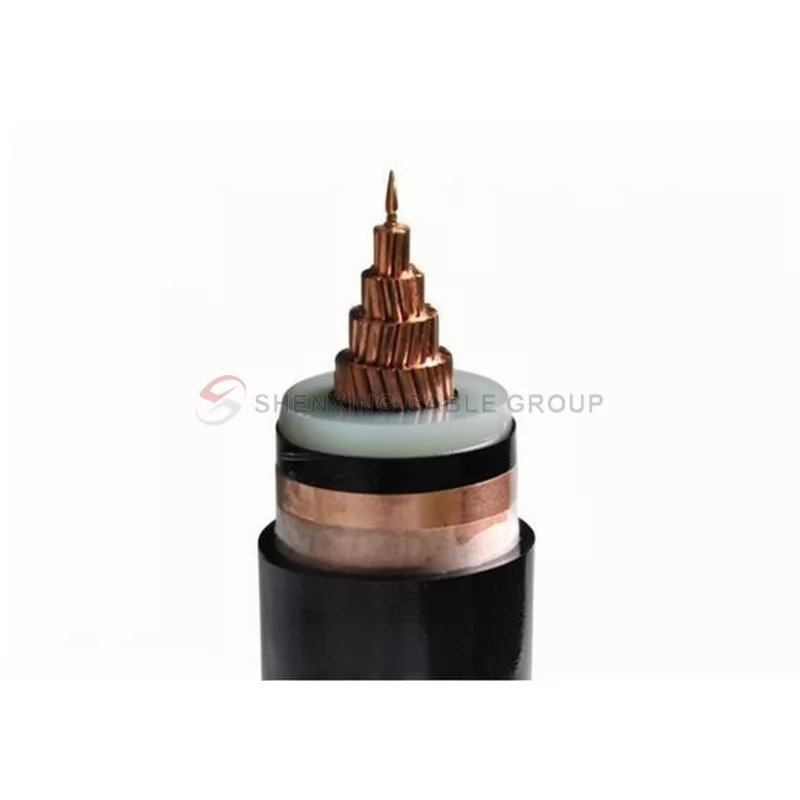
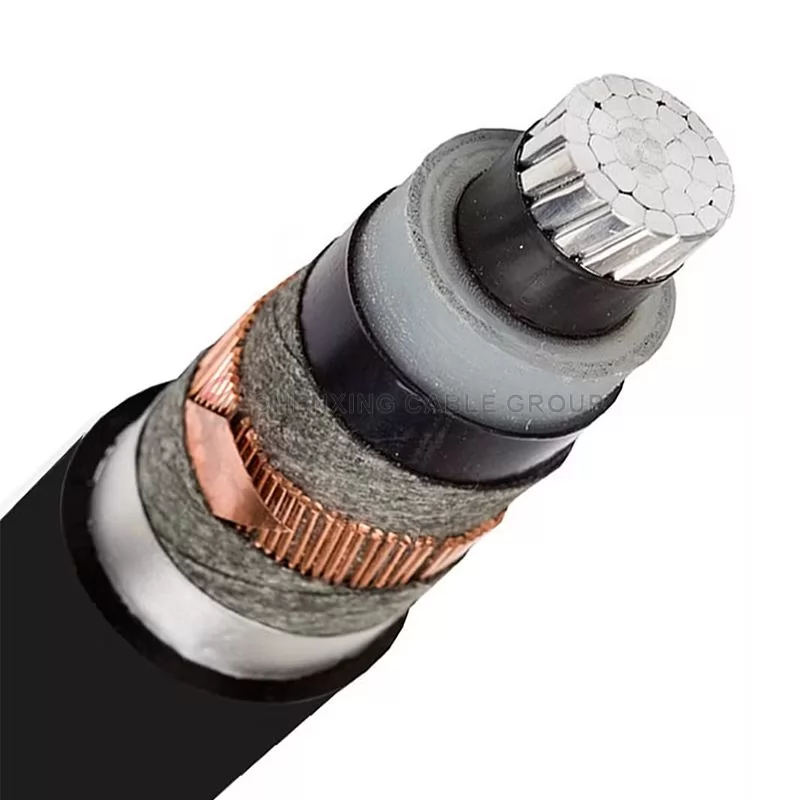
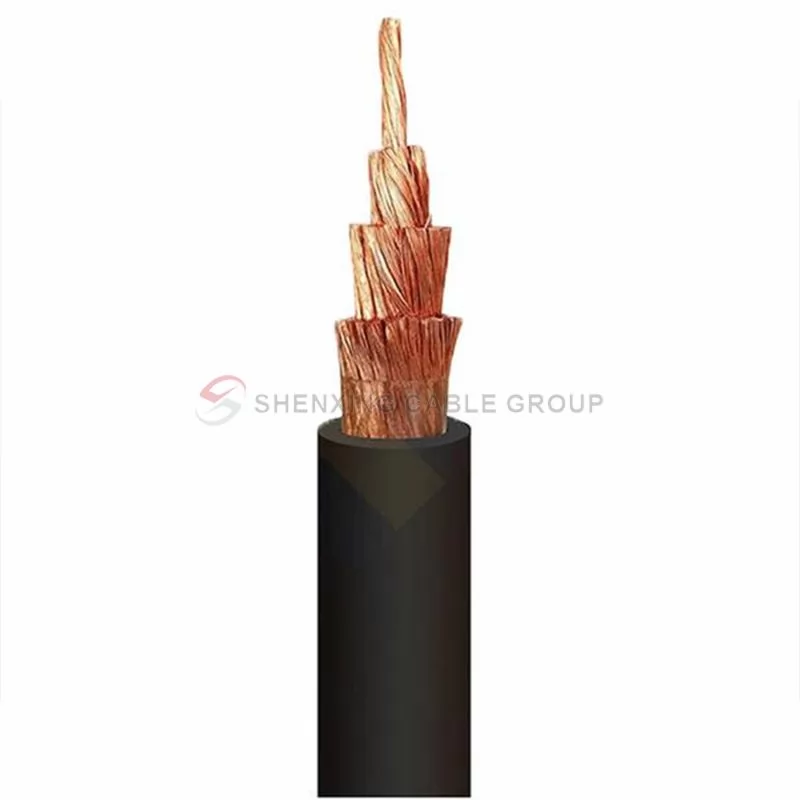
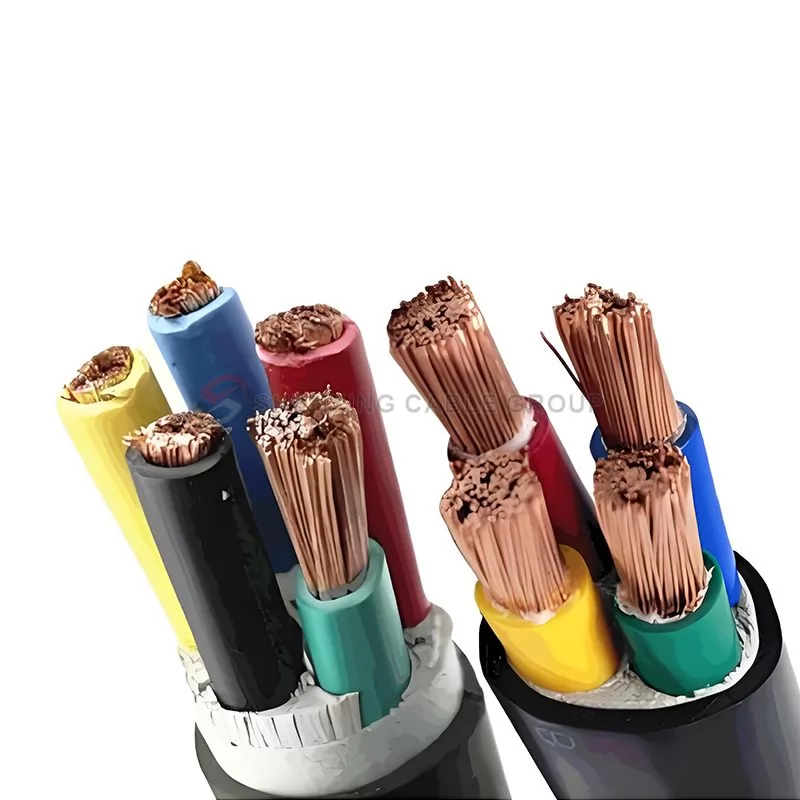
Cable Construction: Consists of a copper or aluminum conductor, XLPE or EPR insulation, metallic shielding, and a protective outer sheath.
Main Applications: Overhead distribution systems, renewable energy projects, and temporary or emergency power installations.
Common Types: Insulated overhead cables, aerial bundled cables (ABC), and messenger-supported cable systems.
Installation Considerations: Proper tension control, bending radius compliance, and effective grounding are essential to prevent damage.
Service Life: With proper maintenance and monitoring, MV cables can operate reliably for 40–65 years.
These cables are indispensable for modern power infrastructure, ensuring consistent and safe energy delivery across diverse environments.
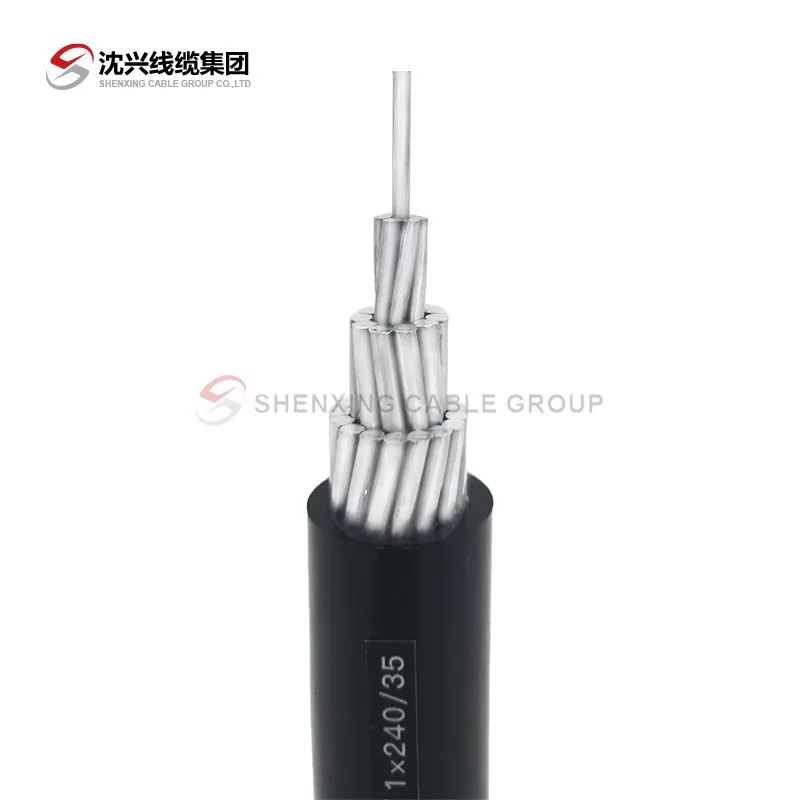
Medium voltage overhead insulated cables are engineered with multiple protective layers to withstand harsh outdoor environments. They typically use aluminum or aluminum alloy conductors, surrounded by an inner semi-conductive screen, XLPE insulation, an outer semi-conductive layer, metallic shielding, and a durable external jacket. These cables commonly operate within the 6 kV to 36 kV range, making them suitable for primary distribution networks.
Insulation material selection is critical. XLPE insulation offers excellent thermal performance, weather resistance, and long service life, while EPR insulation provides enhanced flexibility, making it ideal for installations subject to vibration or movement. Insulated designs significantly reduce risks caused by vegetation, wildlife, and human interference, and they help prevent flashovers in humid or polluted environments.
Additionally, insulated overhead cables require less clearance from buildings and trees compared to bare conductors, making them especially suitable for dense urban areas where space is limited.
Aerial bundled cables consist of multiple insulated aluminum conductors twisted around a central messenger wire. Each conductor is protected by conductor screening, XLPE insulation, insulation screening, and a weather-resistant outer layer typically made from high-density polyethylene (HDPE).
This bundled configuration improves system safety and reliability. The insulation reduces the risk of accidental contact, electrical faults, and fire hazards, particularly in dry regions prone to wildfires. With proper installation and maintenance, ABC systems can operate efficiently for 30 to 50 years and perform reliably across extreme temperature ranges.
ABC cables are widely used in both urban and rural environments. Their compact structure minimizes visual impact and improves safety in populated areas, while their insulation allows reliable performance in areas with dense vegetation. Their design also helps prevent unauthorized access and electricity theft.
Messenger-supported cable systems utilize a high-strength support wire, typically made of ACSR (aluminum conductor steel reinforced) or aluminum alloy, to carry the mechanical load. Insulated phase conductors are helically wrapped around this messenger, creating a self-supporting configuration that simplifies installation and allows longer spans between poles.
The messenger wire reduces cable sag, maintains proper ground clearance, and improves structural stability. These systems are designed to withstand harsh environmental conditions such as strong winds, ice accumulation, and falling debris. Proper installation using suitable clamps and hardware ensures long-term performance and reliability.
MV cables connect substations to residential, commercial, and industrial consumers. They also interconnect substations and power critical equipment such as transformers, switchgear, and large industrial motors. Their flexibility allows seamless transitions between overhead and underground systems when required.
Solar farms and wind power installations rely on medium voltage cables to transfer electricity from generation points to substations. These cables help step up voltage levels to reduce transmission losses and improve overall system efficiency. Aluminum conductors are commonly used due to their lower weight and cost efficiency.
Medium voltage cables are essential for temporary installations, mobile substations, and emergency restoration projects. Flexible insulation such as EPR allows easy deployment and reliable performance even under challenging environmental conditions.
Proper installation is essential to ensure cable reliability and prevent premature failure.
Inspect cable routes and remove debris before installation.
Store cable drums upright and seal cable ends to prevent moisture ingress.
Avoid installation at temperatures below 0°C unless cables are pre-conditioned.
Maintain a minimum bending radius of at least 15 times the cable diameter.
Use proper rollers, guides, and compatible lubricants to reduce mechanical stress.
Monitor pulling tension using calibrated equipment to avoid conductor or insulation damage.
Metallic shielding must be properly grounded to prevent induced voltage buildup and overheating. Grounding methods include single-point grounding for maximum current capacity or multi-point grounding to eliminate voltage buildup along the shield.
Integrity testing should be conducted after installation to confirm insulation and shielding performance. Advanced testing methods such as Very Low Frequency (VLF) testing are recommended for XLPE cables to ensure reliability without damaging insulation.
Routine inspection and condition-based maintenance significantly extend cable lifespan. Key maintenance activities include:
Visual inspection for mechanical damage, corrosion, or loose hardware.
Thermal imaging to identify overheating connections.
Partial discharge monitoring to detect insulation deterioration.
Cleaning and inspection of outdoor terminations.
Verification of grounding system performance.
Modern monitoring technologies such as distributed temperature sensing and acoustic monitoring allow real-time cable condition assessment, reducing the risk of unexpected failures.
Overhead MV cables are exposed to UV radiation, moisture, temperature extremes, and mechanical stress. Protective outer jackets and proper installation practices help minimize environmental damage. Surge protection devices and grounding systems protect cables from lightning and transient overvoltages.
Medium voltage overhead cables are essential for reliable power distribution in modern electrical networks. Selecting the correct cable type, insulation material, and installation method ensures long-term performance and safety.
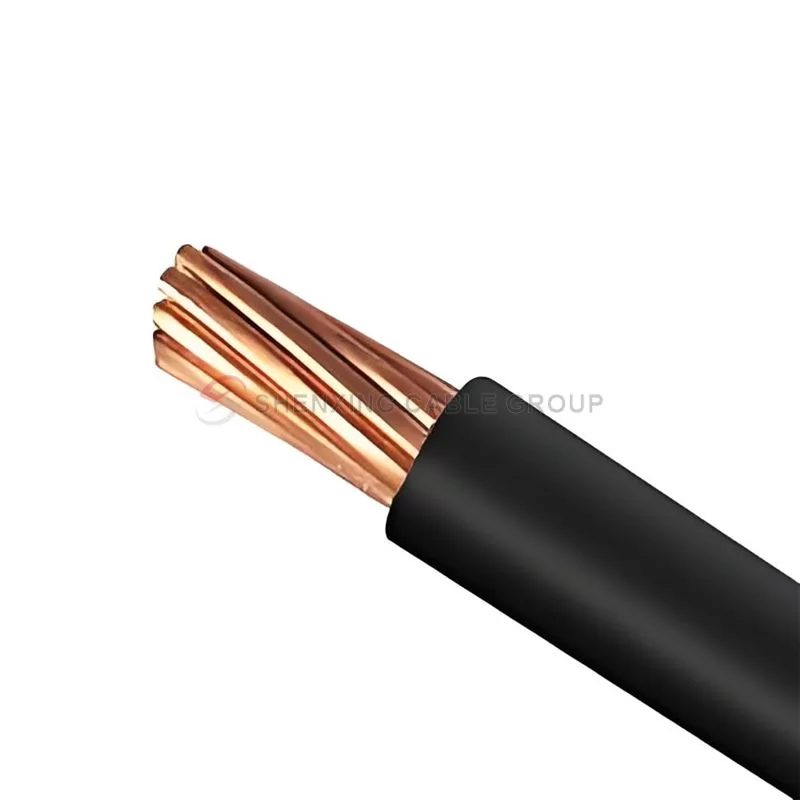
Use copper conductors for higher conductivity in shorter runs.
Select aluminum conductors for cost-effective long-distance installations.
Choose XLPE insulation for durability and high electrical performance.
Use EPR insulation when flexibility and vibration resistance are required.
Implement proper installation, grounding, and condition monitoring practices.
With proper design, installation, and maintenance, medium voltage overhead cables provide dependable service for decades, supporting utilities, industries, and renewable energy systems worldwide.
Email: sales@sxcables.com
Official Website: www.sxcables.com
Hot Products
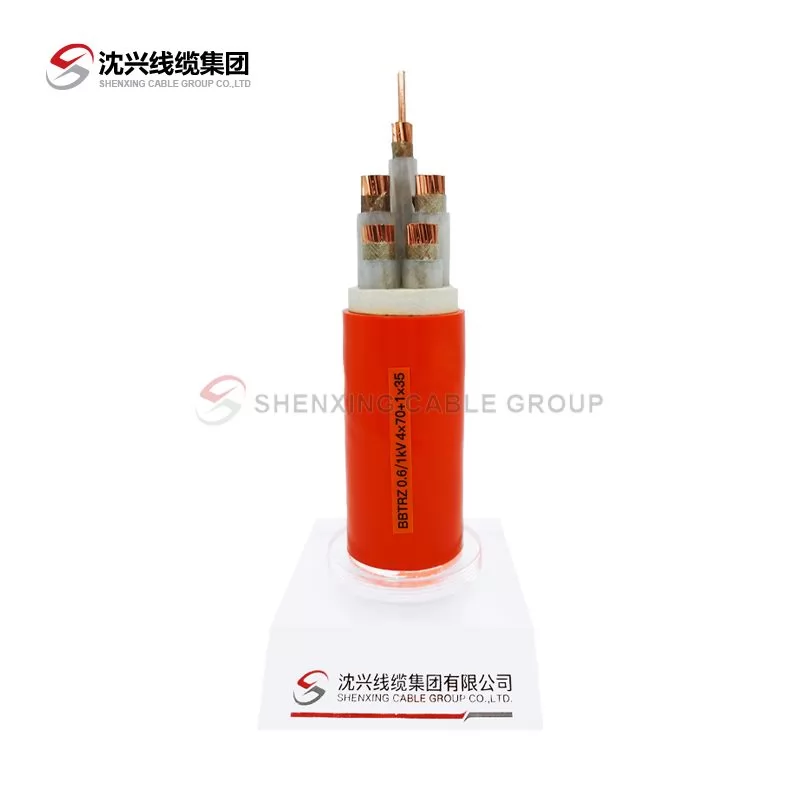
Copper Cores, XLPE Insulated, PVC Sheathed, Control Cable
Shenxing KYJV cross-linked power control cable is an advanced integrated intelligent high-voltage cable designed for real-time monitoring of cable operating parameters.
Read More
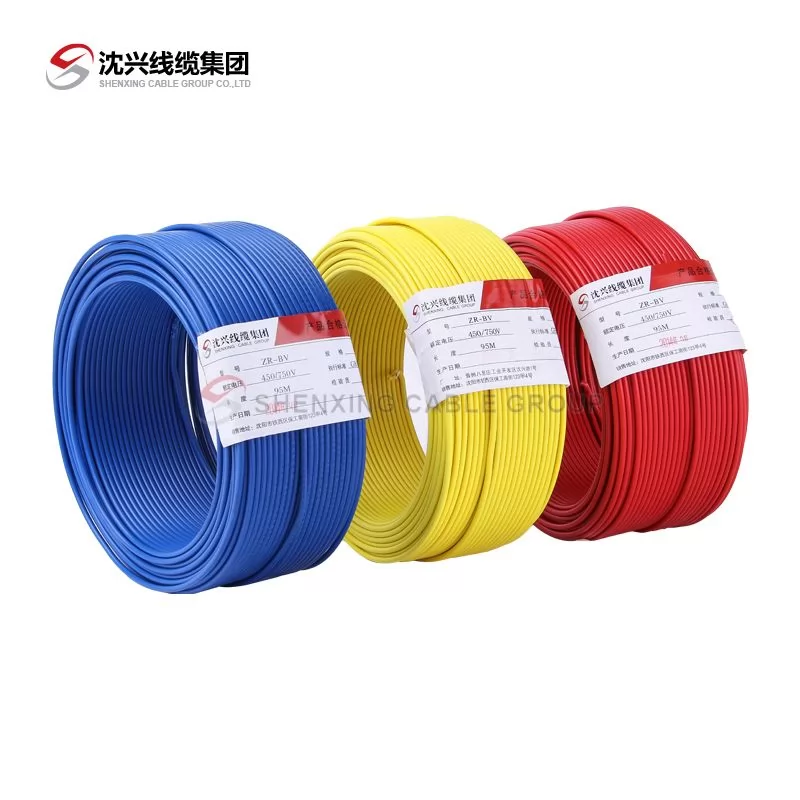
Copper Core PVC Insulated Wire
A global BV cable supplier offers a full variety of building cable from our stock and tailored XLPE cables as well.
Read More
Copper Core PVC Insulated PVC Sheathed Power Cable
BVV/BVVB cable is a high-quality power transmission cable widely used in residential, commercial and industrial environments.
Read More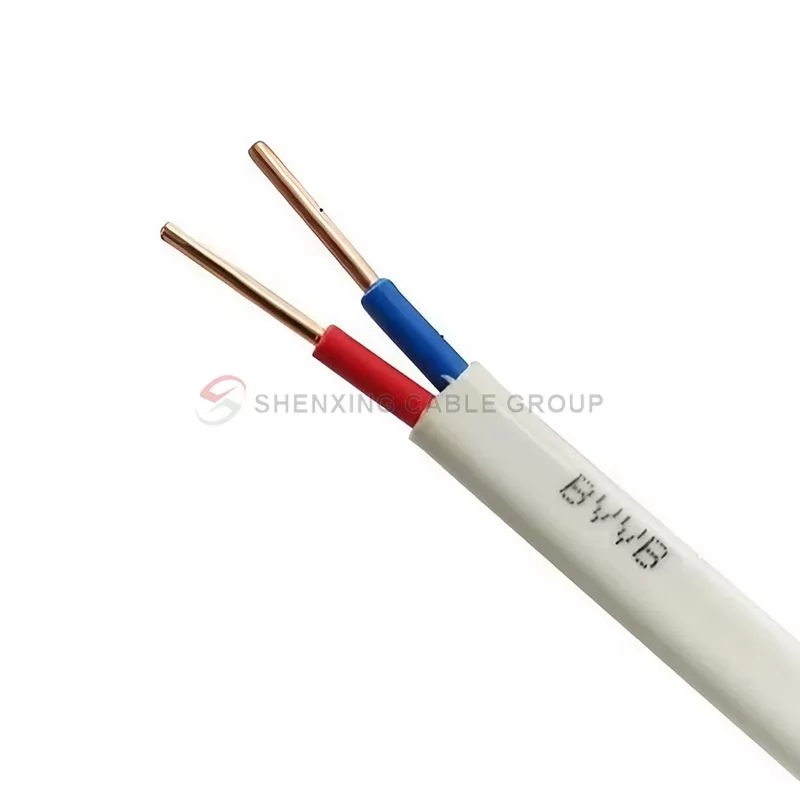
RVB-Copper Core Flat Sheathless Flexible Cable
Welcome to learn about Shenxing Cable Group's RVV/RVB cable (also known as flexible cable), which is a high-performance cable designed for a variety of low-voltage electrical applications. The cable consists of multiple copper conductors and a PVC outer sheath and is widely used in low-voltage electrical systems.
Read More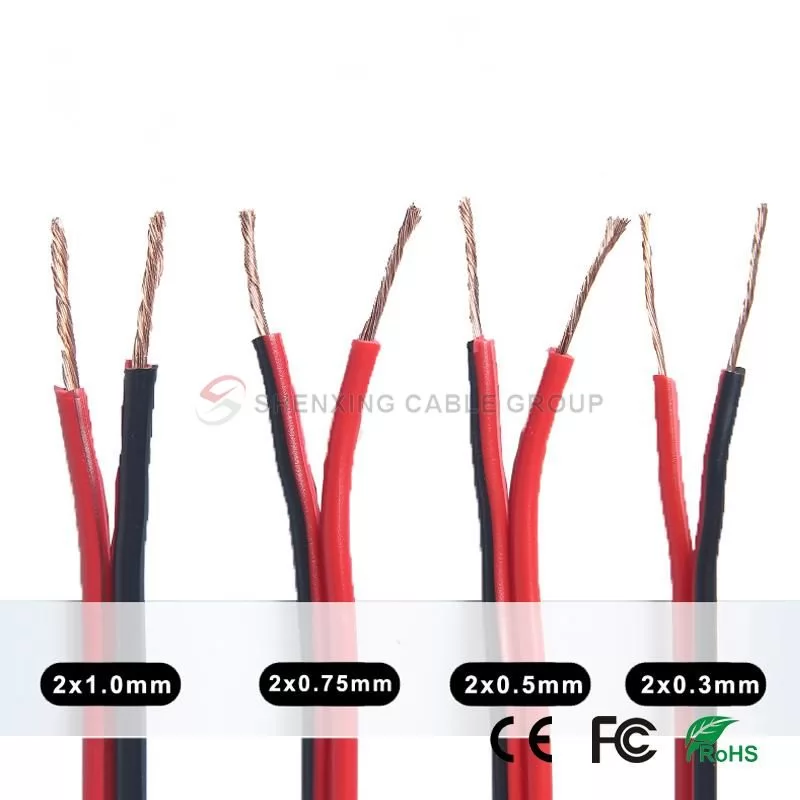
Copper Core PVC Insulated Connecting Soft Wire and Cable
Welcome to learn about RV cables from Shenxing Cable Group. This high-quality cable is designed for low-voltage electrical applications. By using high-quality materials and exquisite manufacturing technology, RV cables ensure that you enjoy reliable power supply and efficient power transmission in multiple fields, providing you with ideal solutions.
Read More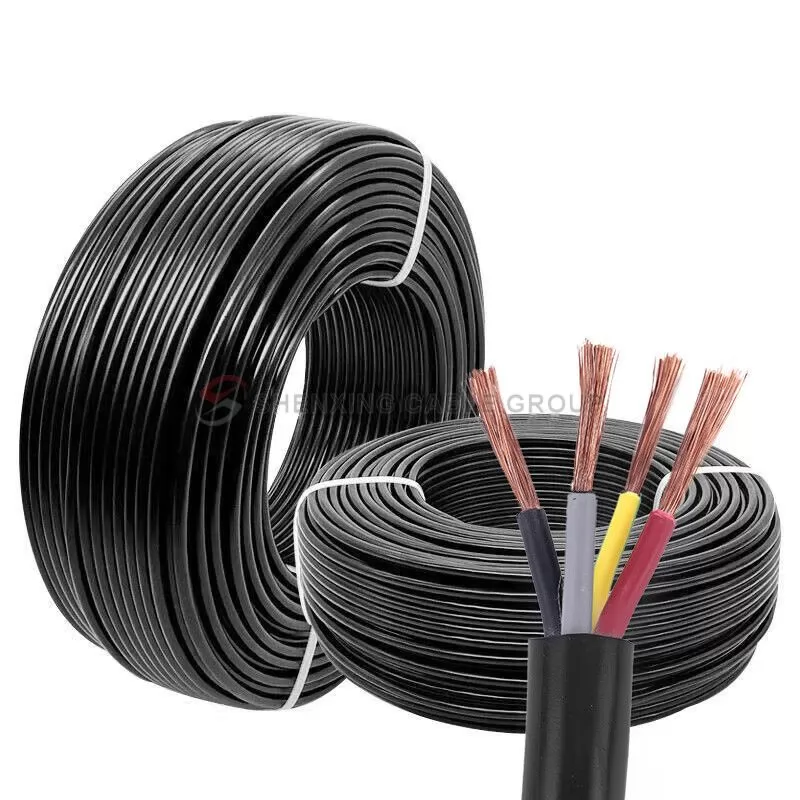
RVV cable is suitable for a variety of application scenarios, including home power wiring, industrial equipment connections, office electrical systems, etc. Whether it is used for power transmission, electrical equipment connection, or use in harsh environments, RVV cables can provide stable, efficient, and safe power support.
Read More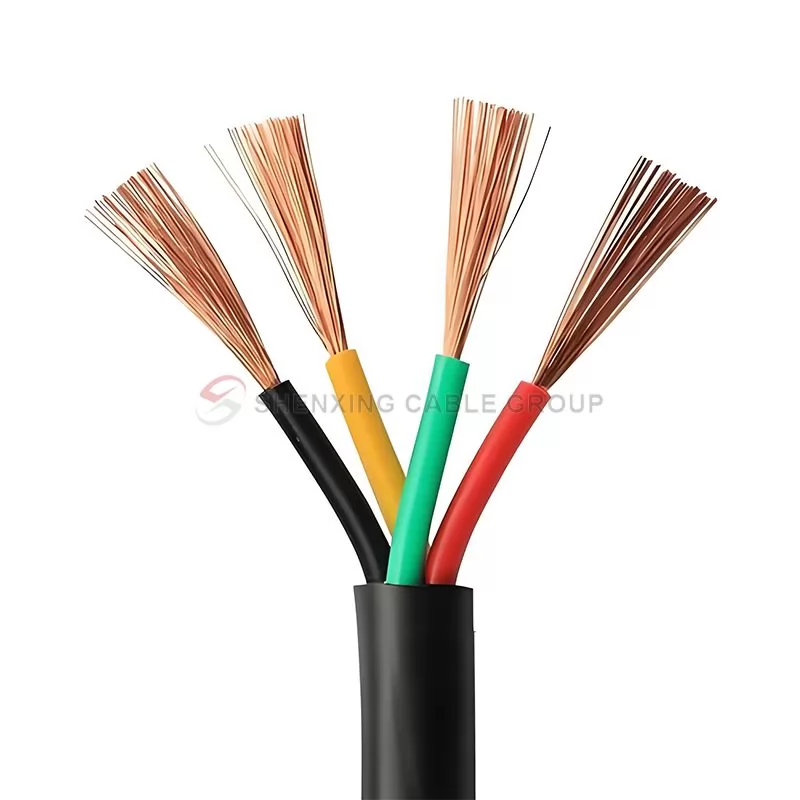
Copper Conductor, PVC Insulated and Sheathed, Steel-tape Armoured Control Cable
RVS twisted pair flexible cable provided by Shenxing Cable Group is a 300/500V voltage level cable consisting of two insulated conductors twisted around each other. We produce many types of twisted pair cables in strict accordance with the Chinese national standard GB/T 8734.3. RVS twisted pair shielded cable consists of two independent insulated copper conductors that are twisted around each other and arranged in parallel.
Read More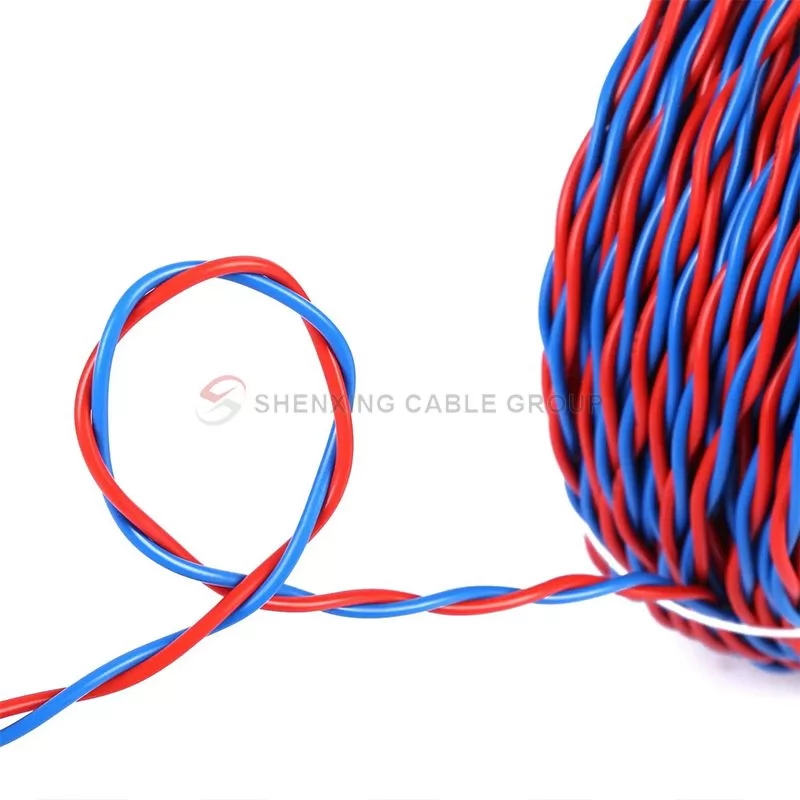
TÜV Solar PV Cable TÜV-H1Z2Z2-K
The SHENXING solar PV H1Z2Z2-K cable, which is TÜV certified according to EN 50618 and AENOR, is suitable for both fixed and mobile solar installations (solar farms, rooftop solar installations and floating plants). It is a highly flexible cable compatible with all major connectors and specially designed for the connection of photovoltaic panels. This versatile single-conductor cable is designed to meet the varying needs of the solar industry. Suitable for wet, damp and humid locations.
Read More
Shenxing Photovoltaic Cable PV1-F is a high-performance cable designed for solar photovoltaic systems. It has excellent high temperature resistance, extrusion resistance, environmental cracking resistance and other characteristics, ensuring the long-term stable operation of photovoltaic power generation systems. As a leading global photovoltaic cable manufacturer and supplier, Shenxing Cable is committed to providing high-quality cable solutions to meet the needs of various photovoltaic installa
Read More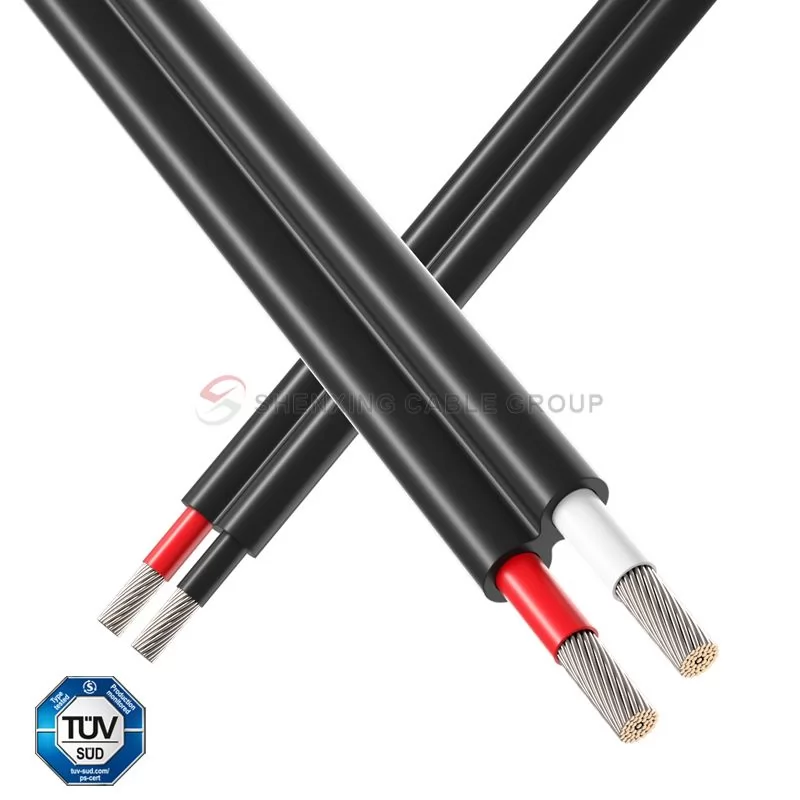
110kv Copper Core XLPE Insulated Corrugated Aluminum Sheathed Power Cable
YJLW high voltage cross-linked polyethylene cable is a high-quality cable product for high voltage power transmission. It adopts high-quality copper core, aluminum core and cross-linked polyethylene insulation materials to ensure the high efficiency and reliability of power transmission.
Read More